How Often Should Filters Be Replaced?
If your household regularly uses water filtration devices — such as a refrigerator with a dispenser, a coffee maker, or a filter pitcher — then your kitchen likely relies on replacement filters more than you realize. You expect the fridge to produce ice cubes on demand and your family to have access to clean, great-tasting water anytime. But behind all that everyday convenience is a small, forgettable part quietly doing the heavy lifting: the filter cartridge. And when people suddenly take a sip of water one day that just doesn't taste right, they usually end up asking the same question: How often should I actually replace these things?
If you've ever wondered the same thing, you're in the right place. This guide breaks down the exact replacement schedules for refrigerator water filters, coffee maker water filters, and water pitcher filters — and explains why sticking to them matters far more than you think.
A Fresh Filter in Your Kitchen Matters More Than You Think
Let's start with the most noticeable change: a new filter simply makes your water taste better.
First, taste isn't just a personal preference. A filter that has reached the end of its life can no longer remove chlorine and the organic compounds that cause off-odors and strange flavors. That's when your water starts tasting like a swimming pool, or your ice cubes take on an odd aftertaste — the kind that can ruin what should have been a perfect cold drink.
Second, regularly using replacement fridge water filters protects your appliances. A clogged filter forces your refrigerator's water inlet valve to work harder than intended. In a coffee maker, restricted water flow puts extra strain on the internal pump. Over time, that added stress can lead to leaks, pressure failures, and irreversible damage to your equipment.
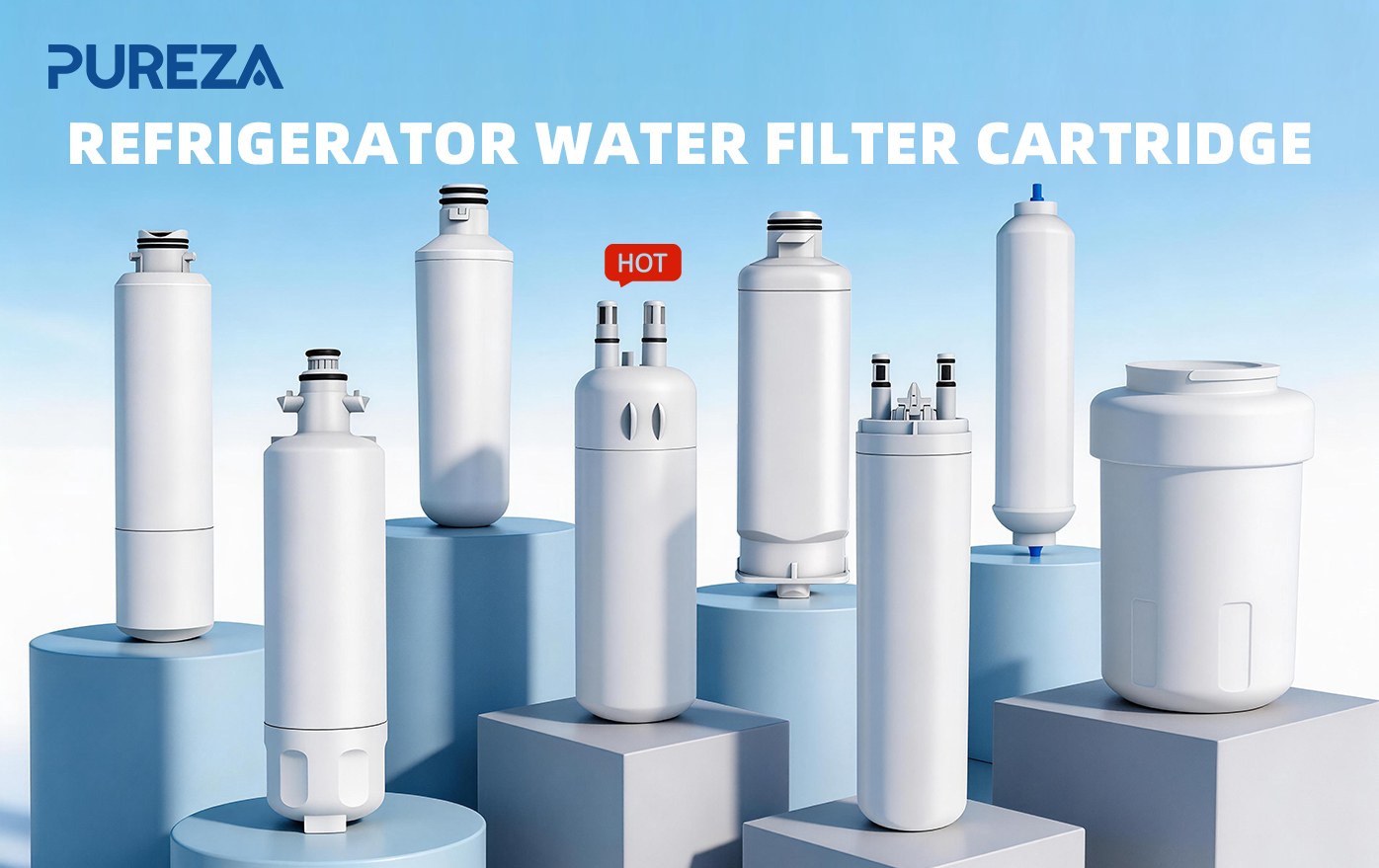
Exact Replacement Schedules for Every Water Filter
Different filters have different lifespans. Use the following as a general guide.
- Refrigerator Water Filters
For most standard refrigerator filter cartridges, the replacement interval is straightforward: every 6 months, or every 200–300 gallons — whichever comes first. If your household has four or more people and the dispenser or ice maker runs frequently, or if you live in an area with poor water quality, your filter will likely deplete faster. In such cases, start checking around the 5-month mark. If the water pressure has noticeably dropped or your drinking water starts to taste off, it's time for a replacement.
As a leading water filter manufacturer, we support major refrigerator brands including Samsung, LG, Whirlpool, Frigidaire, and others — and the 6-month replacement rule applies to their standard carbon-block filters.
- Coffee Maker Water Filters
If your coffee maker requires a filter, plan to replace it every 2 to 3 months, or after about 60 to 80 brew cycles. In practical terms: if you brew one pot a day, that's roughly 90 cycles per quarter. So setting a reminder every 3 months is a safe approach. For built-in espresso machines from brands like Miele or Bosch, the machine usually has a "replace filter" indicator — and it typically triggers around the 6-month mark. Don't ignore it just because the coffee still tastes acceptable. That small filter is also protecting the internal boiler and pipes from scale buildup.
- Water Pitcher Filters
Pitcher filters are among the easiest to forget. When it comes to your replacement pitcher water filter, the standard rule is: every 2 months or 40 gallons. If you use a larger dispenser with a higher-capacity filter, you can extend that to 3 months or 60 gallons. One tip: if your household uses the pitcher for everything — drinking water, cooking, filling the dog's bowl — you're likely reaching that 40-gallon limit sooner than you realize. So if your memory of the last filter change is hazy, now is the time to swap it.
4 Factors That Can Shorten Your Filter's Life
Even if you memorize the schedules above, real-life conditions can shorten a filter's lifespan. Here are four factors that put extra strain on your filter.
First, hard water and heavy sediment. If you live in a hard-water region — such as Texas, Arizona, or much of the Midwest — the minerals in your water will clog filter pores faster. Second, heavy daily usage. A family of six goes through far more water than a two-person household, and the filter doesn't discriminate — it just counts gallons. Third, long periods of non-use. If you've been away for a month and the filter has been sitting damp and unused, that stagnant environment becomes a breeding ground for bacteria — replace it. Fourth, local water quality. If your municipal water report shows elevated chlorine or contaminant levels, your filter is working harder with every gallon it processes, which means it depletes faster.
5 Signs That Tell You: This Filter Should Have Been Replaced Long Ago
Not sure if your filter is overdue? Your senses will let you know. Watch for these signs:
1. The water tastes metallic, fishy, or like chlorinated pool water.
2. Ice cubes come out cloudy, discolored, or carry a strange odor.
3. The dispenser flow slows to a frustrating trickle — filling a glass takes forever.
4. The "replace filter" indicator on your fridge or coffee maker is lit up — and you've been ignoring it.
5. You honestly cannot recall the last time you changed the filter. If you can't remember, it's been too long.
What Happens When You Keep Putting It Off?
Beyond poor taste, problems start building up inside both the filter and your appliance.
First, biofilm growth. A used, damp filter sitting in a dark refrigerator compartment is essentially a petri dish. Bacteria and mold thrive in this environment. Second, recirculating contaminants. Once a filter reaches its adsorption capacity, it stops absorbing new contaminants — and in some cases, can even begin releasing previously trapped particles back into your water. That turns the filter from a shield into a source. Third, appliance wear. When the refrigerator's water inlet valve has to push against a clogged filter over and over, it endures ongoing stress and can eventually fail.
Build a "Never Miss a Change" Routine
Here's how to make filter replacement almost effortless.
Use a permanent marker. Write the install date directly on the filter housing before you put it in. You'll see it every time you open the fridge. Set a phone reminder. A recurring calendar alert every 60 or 180 days takes almost no effort after the initial setup.
That's it — two low-effort habits that keep your water clean all year long.
OEM vs. Compatible Replacement Filters — How to Choose?
We hear this question all the time: do I really need the filter made by my refrigerator's brand?
The simple answer is no. OEM is not your only option. Replacement filters that carry NSF/ANSI 42, 53, or 401 certification perform just as well as factory-branded filters. These certifications mean the filter has been independently tested for chlorine reduction, contaminant removal, and material safety — so you can trust the filtration results.
Beyond that, just make sure the model match is exact. For Samsung refrigerators, look for DA29 series compatibility. For LG, the LT series. For GE, MWF models. For Whirlpool and Kenmore, the W series. Coffee makers from Keurig, Breville, and De'Longhi all have well-established compatible options using the same carbon-block technology inside. And pitcher filters for Brita and PUR have a wide range of replacement versions available.
Frequently Asked Questions
· Can I use a compatible fridge filter instead of the OEM version?
Absolutely — as long as it carries the proper NSF certification and precisely matches your refrigerator's model number.
· How do I know if my coffee maker filter is used up?
If the brew cycle has become noticeably slower, or if the coffee flavor has dulled even when using the same beans, the filter is most likely exhausted.
· If I only use the ice maker and don't drink from the dispenser, do I still need to change the filter?
Yes. The ice maker draws from the same water line. A clogged filter will affect ice clarity, taste, and production speed.
· What's the difference between a refrigerator filter and a pitcher filter?
Refrigerator filters typically handle higher flow rates and heavier sediment loads. Pitcher filters use simpler carbon filtration that relies on gravity. Both are effective, but refrigerator filters generally offer higher capacity and longer life.
· Is it okay to bypass the filter and run the dispenser without one for a while?
Some refrigerators come with a bypass plug that allows this. Just remember: without a filter, your water and ice receive no treatment at all — and your taste buds will notice immediately.
Your Clean Water Action Plan
At the end of the day, replacing filters isn't complicated. It just takes a bit of awareness and a simple system. Here's the quickest recap for keeping your kitchen water crisp and clean:
Refrigerator filter: every 6 months (or 200–300 gallons).
Coffee maker filter: every 2–3 months (or 60–80 brew cycles).
Pitcher filter: every 2 months (or 40 gallons).
Mark the date on the filter and set a phone reminder.
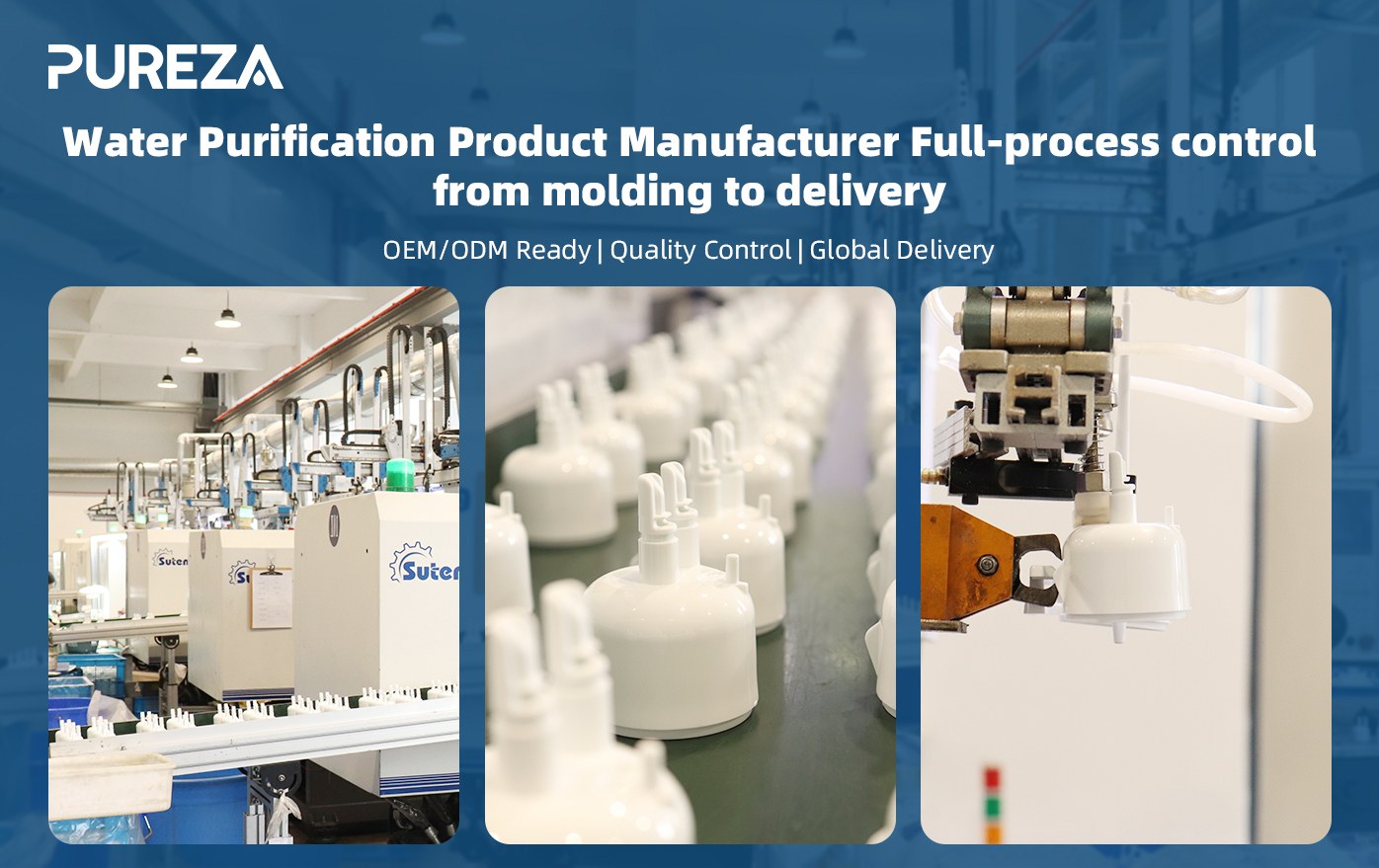
If your business is looking to source replacement filters in bulk or through customized orders, take a look at ours — compatible with 90% of major refrigerator, coffee maker, and pitcher brands. Every filter undergoes rigorous testing and is manufactured under strict end-to-end quality control. Once your system is set up, providing clean, great-tasting water becomes a seamless, worry-free process.