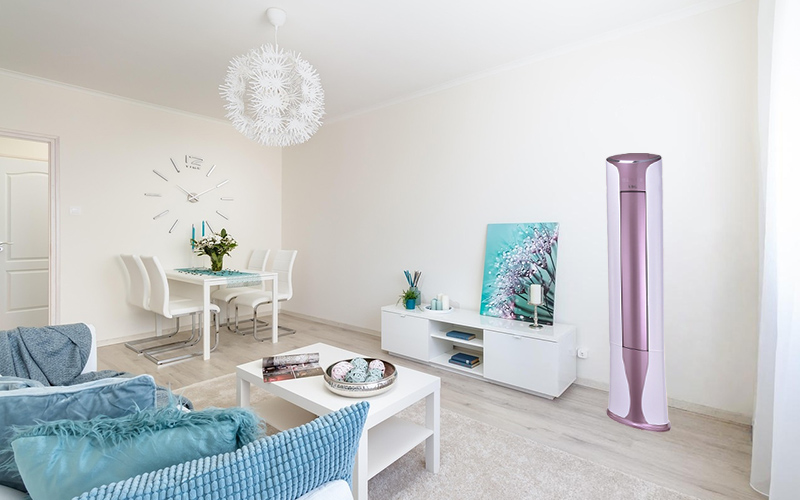
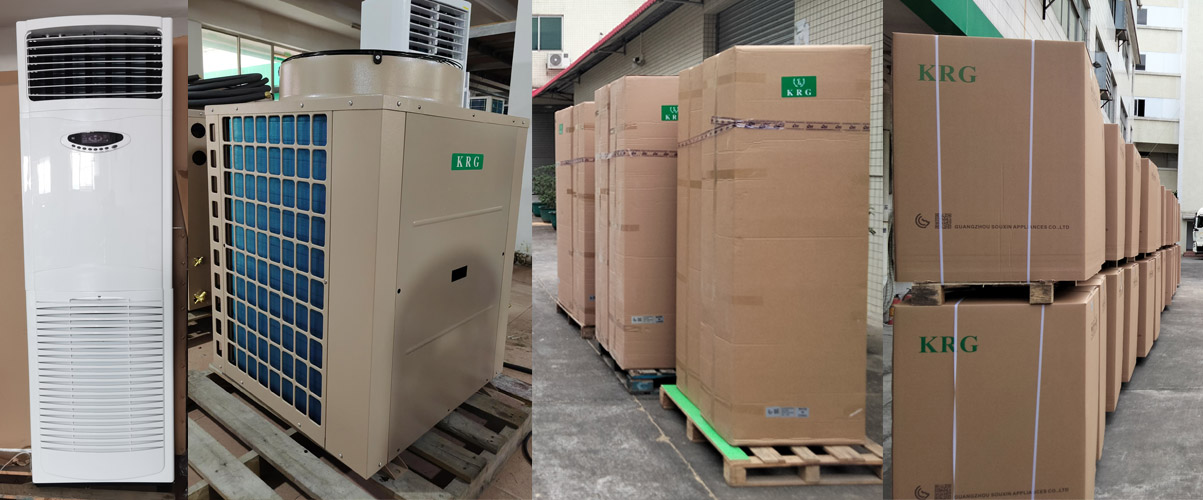
Cutting electricity costs can not only help reduce energy consumption but also save money for families and businesses. Below are some useful tricks we air conditioner manufacturer suggest to help you use an air conditioner more efficiently and reduce electricity bills.
1. Considerable Temperature Setting
In summer: Make it at about 26 °C. Every time it rises 1 °C, the energy efficiency of AC will be raised 5–10%. Once we were absent from the house or sleeping, we could set it a bit higher (28 °C as an example) to avoid long periods of operating under a low temperature.
In Winter: Make it at about 20 °C to avoid energy wasting under high temperatures.
2. Timing Mode
The timing mode of an air conditioner can adjust the time of operating automatically to avoid long time operating and consuming much energy. Especially when we are out of the house or sleeping.
By using a timer or smart home appliances (like a smart thermostat) to set the operation time for the air conditioner, it will reduce the energy waste.
3. Clean and Change Filter Regularly
The filter of the air conditioner needs to be cleaned and changed regularly. Dirty and clogged filters will reduce air ventilation as a result of the longer time needed to start the air conditioner to reach the set temperature.
Check and clean the filter every 1-2 weeks.
4. Keep Good Ventilation Around the Air Conditioner
Make sure there are no blocks around the indoor and outdoor units, particularly the outdoor unit. If the outdoor unit is paced with block ahead or where the sunlight shines it directly, it will affect the working efficiency of the radiator. The air conditioner will need more time to cool itself.
When installing indoor units, we should abandon the places where the sunlight could shine directly to avoid unnecessary heat.
5. Assist Air Conditioner with Fans
Fans can help air conditioners spread the airflow more evenly and improve the cooling effect. In this way, we can raise the air conditioner temperature a bit higher. With the help of fans accelerating the air circulation, the air conditioner could also keep the room at a comfortable temperature.
Switching on fans while using an air conditioner can improve the air circulation inside the house and reduce the operating time of air conditioners.
6. Install with Curtains or shades
In the daytime, particularly at noon, by using heavy and thick curtains or sunshades to block the direct sunlight, it could avoid the rise of indoor temperature and reduce the burden of the air conditioner.
Using reflective curtains or insulation film can reduce the indoor temperature and the burden of an air conditioner as well.
7. Choose Air Conditioning Mode Reasonably
There are various modes available on an air conditioner, such as cooling, dehumidifying, fan mode, etc. When humidity is high, we use dehumidifying mode, while this mode consumes less electricity compared with cooling mode.
If we need ventilation instead of cooling, then choose fan mode, which would largely reduce the cost of electricity.
You may negotiate with the air conditioner supplier for more advice on choosing the functions that fit your needs.
8. Strengthen Room Insulation
Improved insulation ability for rooms can reduce the heat leakage from indoors to the outside. Thus, the air conditioner does not need extra consumption of energy to cool itself. We can take the following steps:
Install additional insulation materials on the walls.
Ensure no gaps on walls and windows, avoiding leakage of cold air.
Keep doors and windows closed firmly, making cold air concentrated.
9. Choose High SEER Air Conditioner
High SEER (or EER) air conditioners can supply the same cooling effects but consume less electricity.
Buy air conditioners with smart control and ECO mode. Those air conditioners could adjust their working conditions according to the room temperature and reduce unnecessary energy consumption.
10. Avoid Frequent Switching On and Off Air Conditioners
When we start the air conditioner, the compressor needs much energy consumption to operate. In case of that, we should avoid frequently starting air conditioners. Keep it operating after we set a considerable temperature.
11. Inspection and Maintenance of Air Conditioning system
Maintain the air conditioner regularly, including refrigerant inspection and condenser and evaporator cleaning. By those means, the air conditioner's working efficiency would be improved, ensuring that it operates at its best conditions.
If the refrigerant is insufficient, the cooling effect will be bad, and the air conditioner will run for a longer time, then the electricity bill will increase as well.
12. Choose Proper Capacity of the Air Conditioners
The capacity of the air conditioner should be suitable for the room size; too big or too small capacity will lead to unnecessary electricity waste. A proper capacity air conditioner can ensure its highly efficient operation without wasting electricity.
Through simple adjustments on some operations and habits, it is definitely accessible to save electricity bills. Set a considerable temperature, maintain air conditioners regularly, improve room insulation, and choose smart home appliances—those all could significantly improve the energy efficiency of air conditioners, thus cutting electricity bills.
Discover the Advantages of Thailand’s Cabinet Factories
Thailand has emerged as a leading hub for cabinet manufacturing, blending exceptional craftsmanship with modern technology. In this blog, we’ll explore the unique advantages that make Thailand’s cabinet factories a preferred choice for global buyers.
1. High-Quality Craftsmanship
Thai cabinet factories are renowned for their meticulous attention to detail and artistry. Drawing from centuries of woodworking traditions, Thai craftsmen create cabinets that combine beauty and durability. This expertise is evident in the seamless finishes, intricate designs, and long-lasting quality of their products.
2. Competitive Pricing
One of the biggest advantages of sourcing cabinets from Thailand is the competitive pricing. With a lower cost of labor and locally sourced materials, Thai manufacturers can produce high-quality cabinets at a fraction of the cost compared to Western countries, without compromising on quality.
3. Sustainable Materials
Thailand’s cabinet manufacturers are increasingly adopting sustainable practices. Many factories use responsibly sourced wood and eco-friendly finishes, catering to the growing demand for environmentally conscious products.
4. Advanced Technology
While rooted in tradition, Thailand’s cabinet factories are also at the forefront of innovation. State-of-the-art machinery and technology ensure precision and efficiency in production, enabling factories to handle large-scale orders while maintaining high standards.
5. Customization Options
Whether you need classic designs or modern styles, Thai manufacturers offer a wide range of customization options. From tailored dimensions to unique finishes, their flexibility makes them ideal partners for both residential and commercial projects.
6. Strategic Location for Exports
Situated in the heart of Southeast Asia, Thailand enjoys excellent connectivity to global markets. Its well-developed logistics infrastructure ensures timely delivery of products to international destinations.
Conclusion
Thailand’s cabinet factories stand out for their exceptional craftsmanship, affordability, sustainability, and technological prowess. Whether you’re a distributor, contractor, or homeowner, sourcing from Thailand ensures you get premium-quality cabinets that meet your unique needs.
Interested in partnering with a Thai cabinet factory? Contact us today to learn more about the options available!
Choosing an outdoor dining set can be an
exciting process, as it allows you to create a space where you can enjoy meals
with family and friends while appreciating the beauty of the outdoors. Here are
some factors to consider when selecting an outdoor dining set:
Space: Measure the available space in your outdoor area to
determine the appropriate size of the dining set. Consider the dimensions
of the table and chairs, ensuring that there is enough room for people to
move around comfortably.
Durability: Since the dining set will be exposed to outdoor
elements, it is crucial to choose materials that can withstand harsh
weather conditions. Look for sets made of weather-resistant materials such
as teak, aluminum, or synthetic wicker, as they are resistant to moisture,
fading, and rust.
Maintenance: Consider the level of maintenance required for the
dining set. Some materials, like teak, require regular sealing or oiling
to maintain their appearance, while others, like aluminum, are low
maintenance. Assess how much time and effort you are willing to invest in
upkeep.
Style: Select a dining set that complements the overall style
of your outdoor space. Whether you prefer a modern, contemporary, or
traditional design, choose a set that seamlessly blends with the existing
aesthetic. Consider the color scheme, shape, and detailing of the
furniture.
Comfort: Opt for chairs that are comfortable and provide
adequate support for long periods of sitting. Look for dining sets that
include cushions with weather-resistant fabrics. Consider the ergonomics
of the chair design to ensure a comfortable dining experience.
Functionality: Determine how you plan to use the dining set. If
you frequently host large gatherings, consider a set with an extendable
table or additional seating options. Folding chairs or stack-able chairs
can be convenient for storage when not in use.
Budget: Set a budget that aligns with your requirements.
Remember that investing in quality materials will ensure longevity and
durability. Compare prices from different retailers and consider the
overall value offered by the dining set.
Reviews and Recommendations: Read customer reviews and seek
recommendations from friends or family who have purchased outdoor dining
sets. Their experiences can provide valuable insights and help you make an
informed decision.
Once you have considered these factors,
take your time to compare options and choose a outdoor furniture dining set that suits your needs
and preferences. Remember that a well-chosen outdoor dining table and chairs set can enhance your outdoor living
space and create memorable dining experiences.
Investing in outdoor furniture can elevate your outdoor space, making it more functional and enjoyable. However, with the myriad of options available, choosing the right pieces can be overwhelming. Here are some useful tips to consider when buying outdoor furniture that will ensure you make the best choice for your needs.
Before you shop, measure your outdoor area. Consider the layout, dimensions, and any existing features like trees, patios, or pools. This will help you understand what size and type of furniture will fit comfortably without overcrowding the space. Creating a simple floor plan can also help visualize how different arrangements will look.
Outdoor furniture comes in various materials, each with its pros and cons:
Wood: Teak and eucalyptus are popular choices for their durability and aesthetics. However, they require regular maintenance to protect against weather damage.Introducing our outdoor furniture ,The dining chairs and the dining tables . The table top and armrests are use teak.
Metal: Aluminum is lightweight and rust-resistant, while wrought iron offers sturdiness but may require rust prevention treatments.Introducing our outdoor furniture powder-coated aluminum rectangle Dining tables and Dining Armrest chairs. Plastic/Rattan: These materials are often less expensive and easy to maintain but may not offer the same aesthetic appeal as wood or metal.Introducing our Hand Woven Rattan outdoor furniture . Consider your climate and how much maintenance you’re willing to commit to when selecting materials.
Your outdoor furniture should complement your home’s architecture and your personal style. Whether you prefer a modern, minimalist look or a rustic vibe, choose pieces that enhance the overall aesthetic of your outdoor space. Color and design can significantly impact the ambiance, so opt for shades that align with your existing decor.
While it might be tempting to go for the cheapest option, remember that quality outdoor furniture is an investment. Set a budget that reflects the quality and durability you desire. Research brands and read reviews to find options that balance quality and cost.
Lastly, consider how you plan to use your outdoor space. Will you host large gatherings, enjoy quiet evenings, or create a play area for children? Functional furniture, such as extendable tables or modular seating, can adapt to your changing needs and enhance your outdoor experience.
Quality Outdoor Furniture will bring durable beauty over time and safety for users. With a variety of models, designs, materials and different prices of outdoor furniture products,Goodwin outdoor furniture provide you with pieces that meet your expectations for quality, comfort, and design , with additional pieces, colors, and fabric options available by special order. Please inquire for lead times on orders.
Synonymous with moments of maximum relaxation, comfort and switching off, sun loungers are
one of the most important elements when it comes to offering our customers an
unforgettable experience of outdoor sector.
Sun loungers are no longer the exclusive
territory of beach and pool areas. Hotel and resort gardens are also an ideal
place to lie down and switch off. In addition, many bars have decided to
incorporate sun loungers into their terraces for the customers’ enjoyment, also
adding a distinguished.
Humidity and long hours of sun are the
main elements you should consider in relation to your pool sun lounger. Materials will play
a fundamental role: opt for a rust-proof
structure and upholstery that is water repellent and with a high resistance to sunlight. In addition, this fabric should be antibacterial to prevent the
spread of bacteria due to humidity and continued use.
In the case of sun loungers for beach areas, we must
add to the above an extra demand due to the exposure to salt residue. Aluminum lounger such as is usually the
most highly recommended given that they do not rust like other metal furniture
does.
Finally, the best sun loungers as a bar terraces furniture will
be ones that combine comfort with
a high stain resistance. These sun loungers or day beds will be available for your customers to use so they
can enjoy their refreshments, so it is very easy for small accidents to happen
where the fabric becomes stained. A waterproof and stain-resistant material
will enable you to clean it easily and always look perfect.
The joys of rope
patio furniture is so many ways it allows you
to create your own unique outdoor look. Here are some tips for styling your
perfect outdoor space:
Mix and match: Don’t be afraid to combine different collections and
finish colors for lots of character. Contrast woven textures like rope and
wicker.
Keep it neutral: Natural earth tones and gray roping let accent colors pop.
Introduce color: Vibrant yellow, red, or turquoise rope instantly
energizes. Use color strategically on toss pillows, ottomans, etc.
Vary scale: Combine over-sized sectionals with smaller chairs to create
visual interest. Then add coffee, side, and bistro tables.
Layer textures: Incorporate ceramics, natural fiber rugs, and wooden side
tables. Mirrors or water features enhance the ambiance.
Create zones: Use area rugs, curtains, or lighting to define spaces for dining,
lounging, and conversation areas.
Accessorize: Candles, lanterns, greenery, and accent pillows maximize
style. Just don’t go overboard.
Smart storage: Use weatherproof cabinets, shelving, and ottomans to
discreetly corral clutter.
Have patience: Let your space evolve over time. Add new pieces that speak
to you each season.
The right outdoor furniture
forms an amazing design foundation. From there, have fun playing with
accessories and decor to make your patio uniquely you.
Our outdoor furniture is available in a wide range of styles and designs. Can be offer various options to suit different tastes, preferences, and outdoor spaces. Here are some popular styles and designs you can find:
Traditional: This style often features intricate details and classic designs. It may include wrought iron furniture with ornate patterns or teak wood furniture with timeless appeal.
Modern/Contemporary: These styles emphasize sleek lines, minimalist designs, and often use materials like aluminum, stainless steel, or synthetic wicker. The furniture can have a sleek and streamlined look with neutral colors and minimalist aesthetics.
Rustic: Rustic outdoor furniture is often made from natural materials like wood or wicker. It has a rugged, weathered appearance that adds a sense of warmth and coziness to outdoor spaces.
Coastal: Coastal or nautical-inspired outdoor furniture is designed to complement beachside or seaside settings. It typically features light colors, natural materials like teak or rattan, and may include elements like stripes or rope accents.
Transitional: This style blends traditional and contemporary elements, offering a balance between classic and modern designs. Transitional outdoor furniture often features clean lines and neutral colors with touches of traditional craftsmanship.
Retro/Vintage: Retro or vintage-inspired outdoor furniture brings back the charm of past eras. It may include elements like wrought iron, retro patterns, vibrant colors, or designs reminiscent of the mid-century modern era.
Tropical: Tropical outdoor furniture is all about creating a relaxed, resort-like atmosphere. It often includes vibrant colors, tropical prints, and materials like bamboo or rattan.
Eclectic: Eclectic styles combine various design elements and inspirations to create a unique and individualized look. Eclectic outdoor furniture can mix different materials, patterns, and colors, allowing for creative and personal expression.
These are just a few examples of the many styles and designs available for outdoor furniture. Whether you prefer traditional elegance, contemporary simplicity, or something in between, you can find outdoor furniture that matches your desired aesthetic and complements your outdoor living space。
Of them all, teak is the best type of wood for outdoor furniture. Teak is one of the best, long-lasting and strong materials used for indoor and outdoor furniture. Goodwin outdoor furniture supplement the beauty and elegance of your home garden. <o:p>
This 4 seat rattan bar set has been expertly crafted
with entertaining and comfort in mind. The generously filled cushions allows
hours of comfort, whether you're drinks with your family or friends. The teak
armrest not only improves the design of this bar stool, but also provides a
place to rest for your hands.
The Teak tree is classed as Tectona
Grandis and it belongs to the family Verbenaceae. One of the reasons for the
high cost of teak is that it takes approximately 50 to 60 years to complete its
physical growth. Despite its high cost and difficulty to acquire, teak is still
the preferred wood for making high quality furniture, doors, windows etc. With
proper maintenance, teak can last up to 50 years! While not as lightweight as
aluminium and resin wicker, it is still mobile while offering a high load capacity. Teak is a dense-grained tropical hardwood
that is often touted for its all-weather capabilities, strength, and beautiful
grained finish. Some of the specialties
of teak as the most suitable wood for outdoor furniture.
If you have a back yard, consider
furnishing it with 6-Seat
Garden Dining Table Set With Teak Top where you can relax with a drink
and breathe in the autumn air after a hike with the family. Measure your
designated area to determine how many chairs are practical without overwhelming
the space. You can upgrade to a larger conversation group.
Quality
Outdoor Furniture will bring durable beauty over time and safety for users. With a variety
of models, designs, materials and different prices of outdoor furniture
products,Goodwin outdoor furniture provide you with pieces that meet your
expectations for quality, comfort, and design , with additional pieces, colors,
and fabric options available by special order. Please inquire for lead times on
orders.
As a member of ceiling-mounted air conditioners, ceiling cassette air conditioner is preferred by more and more people due to its features of pleasant design, space-saving and etc. Well there are some peculiar aspects for its installation, usage and maintenance, let's take a look!
Installation
Compared with other AC equipment, cassette air conditioner is more complex while it requests professionals to install. Major steps from the cassette AC supplier are as follows:
1. Design and construction of ceiling:
· According to the model of air conditioner and room, we design a reasonable ceiling position and size.
· Make sure it could withstand the weight of the indoor unit.
· Reserve holes for wires, pipes and nuts.
2. Air conditioner hoisting:
· Lift the cassette air conditioner indoor unit to the predetermined position and secure it firmly with expansion bolts.
· Adjust the air conditioning level to ensure smooth drainage.
3. Pipe connection:
· Connect the pipes between indoor and outdoor units with insulation treatment.
· Check if the pipe connection is firm to avoid gas leakage.
4. Electrical connection:
· Connect the power cables and ground it.
· Check if the circuit is safe and reliable.
5. Testing:
· Turn on the ceiling air conditioner and check if it is operating normally.
· Adjust parameters of wind direction and wind speed etc.
Usage
1. Temperature setting:
· Set a proper temperature according to personal comfort.
· Avoid frequent switching on and off to avoid increasing the burden on the compressor.
2. Wind direction adjusting:
· Adjust the wind direction according to the room layout and personal preferences.
· Clean the air outlet filter regularly to keep the air clean.
3. Dehumidification:
· In rainy season or any environment with high humidity, the dehumidification function can be turned on.
4. Timing function:
· You can set the timer to switch on and off automatically for convenient life.
Maintenance
During the warranty period, we cassette air conditioner supplier support parts replacement service, please contact us if needed.
1. Regular cleaning:
· Clean the filter once a month to keep the air fresh.
· Clean the evaporator and condenser every six months.
2. Check the drain pipe:
· Check the drainage pipe regularly to see if it is unobstructed to prevent blockage.
3. Check the connections:
· Check if the pipe connection is loose or leaking.
4. Check the power supply:
· Check the power cables regularly to see if it is aging and the plug is loose.
5. Professional maintenance:
· We recommend to arrange professional team to conduct a comprehensive inspection and maintenance every year.
Common problems and solutions
· No cooling/heating: Check if the power supply, filter, capacitor, and refrigerant are sufficient.
· Water leakage: Check if the drain pipe is blocked and the connection is loose.
· Excessive noise: Check if the fan is stuck and the compressor is running normally.
· Starting failure: Check if the power supply is normal and the fuse is blown.
For more solutions, please contact us. We are professional ceiling mounted cassette ac factory based in Guangzhou.
Precautions
· When installing a ceiling air conditioner, we need to choose the right capacity and match it reasonably according to the room area and usage.
· Strictly follow the operating procedures during the installation process to avoid damages on the air conditioner.
· During operating, we should keep the room ventilated and avoid being in a closed area for a long time.
· Regular cleaning and maintenance for the air conditioner can extend its lifespan.
Tips
If your ceiling cassette air conditioner fails to work, we recommend you contact professional maintenance team for help in time to avoid delaying the best time for repairing.
We are ceiling cassette air conditioner manufacturer with 30+ years experience in guangzhou China, should you have any questions, please do not hesitate to contact our team for more details!
Beijing, the heart of China, is a city where ancient history meets modern splendor. The Forbidden City, a former imperial palace, stands as a testament to the grandeur of the Ming and Qing dynasties. The Temple of Heaven, with its intricate architecture, offers a serene escape from the hustle and bustle of the city.
Wandering through the narrow Hutong lanes, one can experience the authentic charm of Beijing's traditional way of life. And for a peek into the city's modern face, the Beijing Olympic Park and the iconic CCTV Tower are must-visits.
Of course, no trip to Beijing is complete without sampling its culinary delights. From the crispy skin of Peking Duck to the delicious dumplings at Wangfujing Street, every meal is a celebration of Beijing's rich culinary heritage.
In conclusion, Beijing is a city that offers something for everyone, whether you're a history buff, a foodie, or simply seeking a unique cultural experience. It's a city that will leave you with memories that last a lifetime. As a realiable China travel agency, imemorytrip offers best Beijing travel guide for customers.
Must-Visit Attractions
The Forbidden City, located at the heart of Beijing, is a masterpiece of ancient Chinese architecture. Once the imperial palace of the Ming and Qing dynasties, it exudes a sense of majesty and grandeur. Its vast compound, encompassing countless palaces, temples, and galleries, tells tales of China's rich history. Intricately designed, its red walls and golden roofs shine brightly in the sun, a testament to the splendor of the past emperors. Today, the Forbidden City remains a popular tourist attraction, drawing visitors from all over the world to marvel at its beauty and historical significance.
The Badaling Great Wall, situated northwest of Beijing, is a magnificent testament to ancient Chinese fortitude and wisdom. Stretching across undulating mountains, it stands as a formidable barrier, its yellow bricks and gray stones weathered by time. Once a crucial military stronghold, it now welcomes visitors from around the world. Walking along its ancient ramparts, one can imagine the heroic deeds of past soldiers and appreciate the vastness and beauty of the surrounding landscape.
The Summer Palace, situated in Beijing's northwestern suburbs, is a masterpiece of royal gardens in China. Boasting a history spanning centuries, it combines natural beauty with imperial grandeur. Its intricate palaces, temples, and lakes are intertwined with walkways and pavilions, creating a serene and enchanting landscape. A visit to the Summer Palace offers a glimpse into China's rich cultural heritage and a chance to appreciate the harmony between man and nature.
The National Museum of China, located in Beijing, is a magnificent showcase of Chinese history and culture. It houses an extensive collection of cultural relics and artworks, reflecting the splendor of China's past. The museum's expansive exhibits and galleries offer a comprehensive overview of China's historical development, from ancient times to the present. Visitors can immerse themselves in the rich tapestry of Chinese civilization, gaining insights into the country's profound traditions and values.
The Prince Gong's Mansion, a testament to the splendor of the Qing dynasty, stands as a historical icon in Beijing. Originally the residence of the powerful official He Shen, it later became the home of the Prince Gong, reflecting the shifting political landscape of the era. Its intricate architecture, blending both northern and southern styles, and lush gardens offer a vivid portrayal of the luxurious lifestyle enjoyed by the imperial elite.
The mansion is not just a physical structure; it's a window into the rich cultural and historical background of the Qing dynasty. It houses a collection of furniture, artworks, and relics that speak volumes about the era's traditions, values, and way of life. From the delicate carvings to the intricate designs, every detail of the mansion tells a story, inviting visitors to immerse themselves in the grandeur and elegance of the past.
The Temple of Heaven, situated in the southeastern part of Beijing, is a renowned imperial complex steeped in history and culture. Constructed during the Ming Dynasty, it served as a sacred ground for emperors of the Ming and Qing dynasties to worship the heavens and pray for good harvests. The intricate architecture and vast grounds of the Temple exude a sense of grandeur and reverence. Its circular altar and hall of prayer are testaments to the ancient Chinese belief in harmony with nature and the cosmos. Today, the Temple of Heaven remains a popular tourist destination, attracting visitors from all over the world to admire its beauty and appreciate its historical significance.
The Mutianyu Great Wall, located in Huairou District of Beijing, is a historical masterpiece that dates back to the Ming Dynasty. Built by General Xu Da on the site of the Northern Qi Dynasty's wall, it showcases the splendor of ancient Chinese fortifications. Stretching for over 5,400 meters, it stands as a testament to the engineering prowess of its builders. The wall's unique features, such as its double-sided defense system and towering fortifications, reflect its strategic importance in safeguarding the capital. Today, Mutianyu Great Wall is a popular tourist destination, drawing visitors to admire its grandeur and appreciate its rich cultural heritage.
Tian'anmen Square, the heart of Beijing, is not only a vast city square but also a symbol of the Chinese nation. With a history dating back to the Ming Dynasty, it has witnessed numerous significant moments in China's history. Surrounded by landmarks like the Forbidden City and the National Museum, the square exudes a sense of grandeur and dignity. Each day, it attracts countless visitors to admire its vastness, pay tribute to its historical significance, and experience the pulse of modern Beijing.
The Old Summer Palace, also known as Yuanmingyuan, is a renowned cultural heritage site in Beijing, China. Once a stunning imperial garden, it is now a testament to the grandeur and tragedy of China's history. Boasting an array of exquisite pavilions, bridges, and landscapes, Yuanmingyuan embodies the essence of Chinese gardening art. Sadly, much of it was destroyed during the Second Opium War, yet its remaining ruins still evoke a sense of profound beauty and historical significance. Today, it attracts visitors from all over the world to witness this remarkable legacy of China's imperial past.
The Beijing Zoo, a renowned zoological park located in the heart of Beijing, is a paradise for animal lovers. Housing over 600 species of animals, it offers visitors a unique opportunity to observe and learn about diverse wildlife. From the majestic lions and tigers to the adorable pandas and monkeys, the zoo is a vibrant showcase of nature's wonders. In addition to its extensive collection of animals, the Beijing Zoo also features educational programs and conservation efforts, promoting awareness and respect for all living creatures. A visit to the Beijing Zoo is sure to be an unforgettable experience for young and old alike.
The National Olympic Park in Beijing is a vibrant hub of sports and culture. This vast green space, located in the heart of the city, hosts a range of athletic facilities and landmarks, including the iconic Bird's Nest Stadium. It's not just a venue for world-class events; it's also a popular destination for locals and tourists alike, offering a relaxing escape from the hustle and bustle of the city. With its lush landscapes and modern architecture, the National Olympic Park embodies the spirit of the Olympic Games, promoting health, fitness, and unity through sport.
The Beijing Wildlife Park is a captivating nature reserve that offers a unique and thrilling experience for visitors. Spread across vast acres, it's home to a diverse array of wildlife, including rare and endangered species. Guests can embark on exciting safari adventures, observe animals in their natural habitats, and learn about conservation efforts. The park's scenic landscapes and well-maintained facilities create a welcoming environment for all ages. Whether you're an animal lover or simply seeking an adventure, a visit to the Beijing Wildlife Park is sure to be an unforgettable journey.
Shichahai, a scenic lake district in Beijing's Xicheng District, is a treasure trove of historical and cultural riches. Encompassing Qianhai, Houhai, and Xihai lakes, it offers stunning views and a rich tapestry of architectural styles. Once a bustling hub of the Grand Canal, Shichahai now exudes a charming and relaxed atmosphere, attracting tourists and locals alike. Its cobblestone streets, ancient temples, and lively markets are a testament to Beijing's rich past, while its bustling bars and cafes reflect its vibrant present. A visit to Shichahai is a journey through Beijing's history and culture.
The Ming Tombs, also known as the Thirteen Tombs of the Ming Dynasty, are a majestic complex located in the northern outskirts of Beijing. Comprising the final resting places of 13 emperors of the Ming Dynasty, these tombs are not just graves but also a magnificent display of imperial architecture. Spanning over 40 square kilometers, the tombs are surrounded by lush green hills and are adorned with intricate carvings and monuments. A visit to the Ming Tombs offers a glimpse into the grandeur and splendor of the Ming Dynasty, making it a must-see destination for history and culture lovers.
Nestled at the foot of the Great Wall in Beijing's Miyun District, Gubei Water Town is a picturesque oasis of history and culture. This ancient waterside settlement, dating back to the Ming Dynasty, preserves the charm of a bygone era with its quaint cottages, stone bridges, and ancient city walls. Gubei Water Town also boasts rich cultural heritage, including traditional operas and folk arts. Visitors can enjoy a leisurely stroll through its scenic streets, admire the stunning views of the surrounding mountains, and immerse themselves in the town's unique atmosphere of tranquility and serenity.
The Lama Temple, also known as Yonghegong, is a sacred site in Beijing, China, with a rich historical and cultural heritage. Originally built as a prince's residence in the 17th century, it later transformed into a lama temple and served as the center for Tibetan Buddhism in the Qing Dynasty. The temple is renowned for its stunning architecture, featuring yellow-tiled roofs and red walls, and is a popular destination for pilgrims and tourists alike. Visitors can explore its halls and chapels, pray for blessings, and immerse themselves in the serene atmosphere of this sacred place.
Jingshan Park, situated in the heart of Beijing, is a historical and scenic gem. It stands on the former imperial gardens of the Ming and Qing dynasties, offering breathtaking views of the city. The park's central feature is Jingshan, a man-made mound that was once the highest point in the city. Visitors can ascend the mound to enjoy panoramic views, while also exploring its cultural landmarks like the Qiwang Lou and Shouhuang Dian pavilions. Jingshan Park is a perfect blend of nature and history, offering a unique experience for all who visit.
Nanluoguxiang, located in the heart of Beijing's Dongcheng District, is a historical and cultural gem. This ancient alleyway, dating back to the Yuan Dynasty, retains the charm of traditional Hutong architecture. Its narrow lanes are lined with quaint courtyard houses, offering a glimpse into Beijing's past. The area is also renowned for its vibrant art and cultural scene, with numerous galleries, artisan shops, and cafes. Visitors can enjoy a leisurely stroll through this charming neighborhood, soaking up its rich history and unique atmosphere.
The Juyongguan Pass of the Great Wall, located 50 kilometers northwest of Beijing, is a remarkable testament to ancient Chinese fortifications. Standing tall amongst lush mountains, this section of the wall spans approximately 20 kilometers, offering breathtaking views. Its strategic location has long served as a barrier to the northwest, protecting the capital from invaders. Today, visitors can admire its ancient stonework, explore its hidden paths, and immerse themselves in the history and grandeur of this legendary structure.
Beijing Daguan Garden, a replica of the renowned literary paradise in the classic Chinese novel "Dream of the Red Chamber", is a magnificent tourist attraction in Beijing. This sprawling garden, constructed in 1984 for filming purposes, covers an area of 13 hectares and features over 40 pavilions, temples, and courtyards. It's a captivating blend of ancient Chinese architecture, landscaping, and culture. Visitors can stroll through its beautiful paths, admire its exquisite gardens, and relive the enchanting tales of the Red Chamber.
Beijing Qianmen Street, a historical thoroughfare with a rich cultural heritage, is a must-visit destination in the heart of Beijing. Stretching over 800 meters, this ancient street boasts a 600-year history and is home to over 300 shops, making it a shopping paradise for tourists and locals alike. Its location south of Tian'anmen Square ensures easy access by bus or metro. From its bustling pedestrian-only sections to its quaint teahouses and theaters, Qianmen Street offers a unique experience of Beijing's past and present.
Wangfujing, a renowned shopping and cultural hub in Beijing, is a vibrant street located in the Dongcheng District. It's famous for its diverse array of stores, ranging from luxury brands to traditional boutiques, attracting both locals and tourists. The area is also home to historical landmarks like the old Beijing department store and the Wangfujing Church. With convenient transportation and a wide range of culinary options, Wangfujing offers a unique blend of modern shopping and cultural exploration, making it a must-visit destination in Beijing.
The Chairman Mao Zedong Memorial Hall is a sacred monument to the great leader of China. Spanning an impressive area of 57,200 square meters, its architectural grandeur is evident in its square shape and 33.6-meter height. The hall's exterior, with its 44 yellow granite columns and glass-covered roof, embodies a blend of traditional and modern elements. Inside, it houses the remains of Mao Zedong, a testament to his indelible legacy. Visitors from all over the world come to pay their respects and honor the founding father of the People's Republic of China.
The Confucian Temple and Imperial College Museum in Beijing is a must-visit cultural destination. This museum, situated at 15 Guozijian Street in Dongcheng District, occupies a vast area of 50,000 square meters, with an ancient architectural footprint of 18,000 square meters. Housing over 2,000 cultural relics, it offers a glimpse into China's rich historical heritage. The temple and college, both over 700 years old, were once the highest educational institution and the place for emperors to honor Confucius. Their symmetrical and axial architectural layout reflects traditional Chinese design principles. A visit here is a journey through China's past, revealing the depth and breadth of its cultural and educational traditions.
The Central Television Tower in Beijing is a magnificent landmark, standing tall with its observation deck reaching 238 meters and its antenna topping out at 405 meters. Completed in 1992, it's home to broadcasting equipment for CCTV and offers panoramic views of the city. Located in the Haidian District, near the Gongzhufen metro station and Yuyuantan Park, the tower's 1484 steps lead to an observation deck that rotates, providing a unique perspective of Beijing's modernization. In the evening, its lighting adds to its allure, while the tower also offers catering and entertainment facilities.
Beijing Food Guide: A Culinary Journey Through the Heart of China
Beijing, the ancient capital of China, is not just a city of historical landmarks and cultural heritage; it is also a culinary paradise where traditional flavors meet modern innovations. From the bustling food markets to the elegant fine-dining restaurants, Beijing offers an array of culinary experiences that are both exciting and delicious. Here's a comprehensive guide to the best foods and restaurants in Beijing, taking you through a culinary journey that will leave your taste buds singing.
Peking Duck (北京烤鸭): A signature dish of Beijing, featuring crispy skin and tender meat. Enjoyed with thin pancakes, sweet bean sauce, and fresh cucumber slices.
Zhajiangmian (炸酱面): A classic Beijing noodle dish with a savory sauce made from fried meat and soybeans. Simple yet delicious.
Mutton Hotpot (羊肉火锅): A hearty meal of thinly sliced mutton cooked in a spicy broth, often enjoyed with family and friends.
豆汁儿 (Douzhir): A traditional Beijing breakfast, a thin, slightly sour liquid served with salty pickles and fried pastries.
Jiaozi (饺子): Dumplings filled with meat or vegetables, a comfort food enjoyed during festivals and family gatherings.
Baozi (包子): Steamed bread filled with various meats or vegetables, a popular breakfast or snack.
Lao Beijing Bing (老北京冰): Traditional Beijing-style sweet and sour iced dessert, a refreshing treat on hot days.
Peking Ravioli (北京馄饨): Delicate dumplings filled with meat or vegetables, served in a spicy or savory broth.
Sugar-coated Haws on a Stick (冰糖葫芦): A classic Beijing street food, consisting of haws coated in a layer of crystallized sugar.
Beijing Sweet Pastry Rings (北京饽饽): A traditional Beijing sweet pastry, often served as a dessert or gift during festivals.
Here's a shopping guide to 10 popular shopping districts in Beijing that foreigners often find intriguing:
Wangfujing Street: A quintessential Beijing shopping hub, known for its variety of stores and traditional Chinese goods.
Sanlitun Bar Street: A lively area with trendy bars, restaurants, and boutiques, attracting a young and international crowd.
Xidan Shopping Center: A one-stop shopping destination with high-end brands and local favorites, convenient for all.
Chaoyang CBD: Luxury shopping malls and international brands abound in this modern business district.
Panjiayuan Antique Market: A treasure trove of Chinese antiques and artworks, ideal for cultural explorers.
Silk Alley (秀水街): A popular market for bargain hunters, offering a wide range of clothing and accessories.
798 Art Zone: A creative hub with unique art galleries and boutiques selling artisan goods.
Solana Blue Harbor: A luxury shopping mall with a stunning waterfront view, ideal for a leisurely shopping experience.
Yansha Shopping Mall: A large shopping complex with various stores and entertainment facilities, popular with families.
Beijing SKP: A premier shopping destination, housing top international fashion brands and luxury goods.
These shopping districts offer a diverse range of experiences, catering to different tastes and budgets. Whether you're looking for traditional Chinese goods, luxury items, or unique artisan goods, you're sure to find something that piques your interest in these vibrant shopping areas of Beijing.