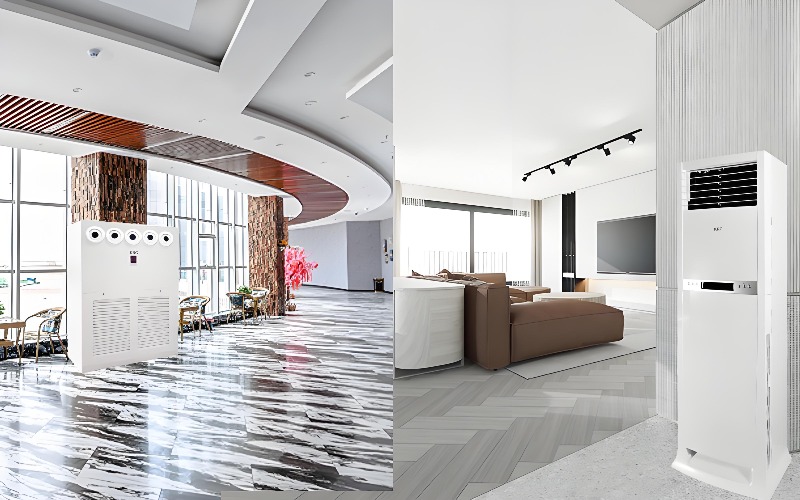
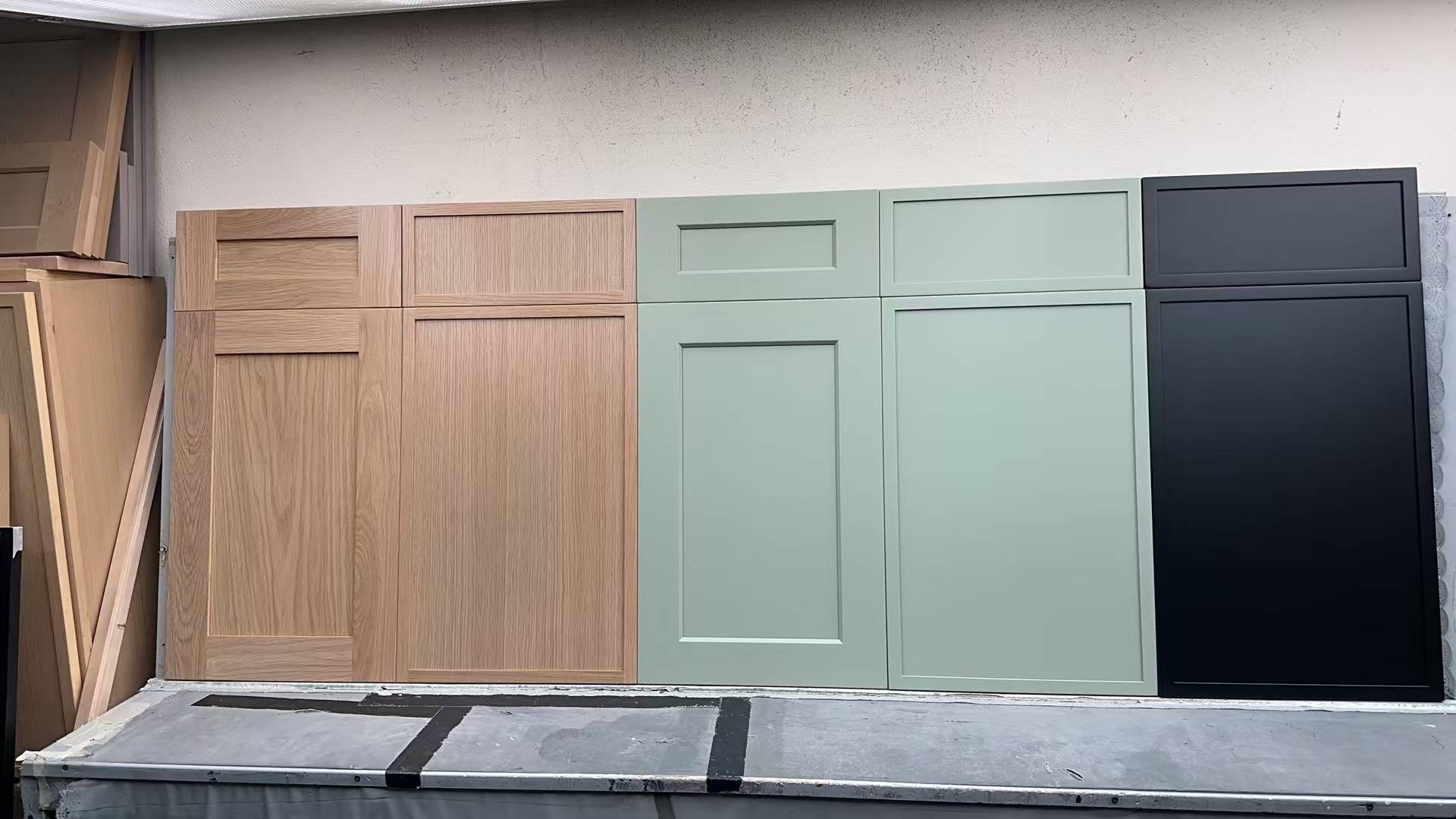
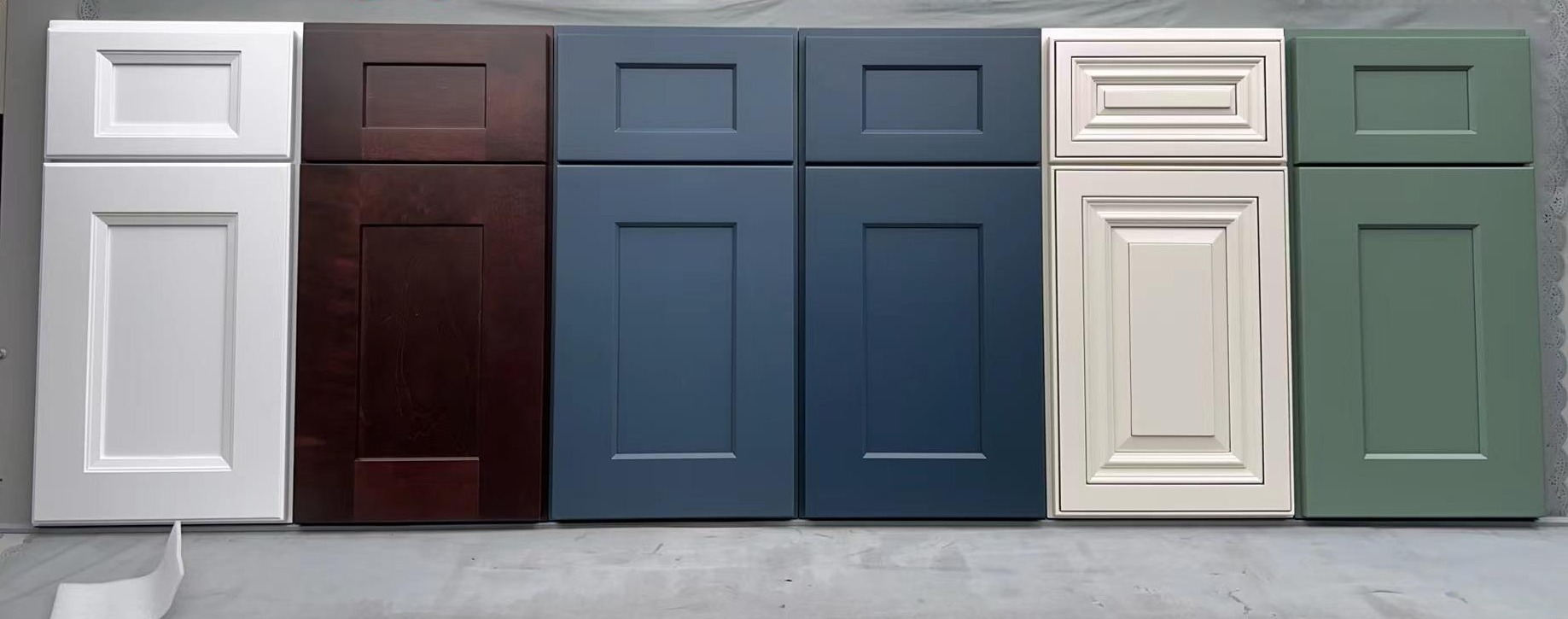
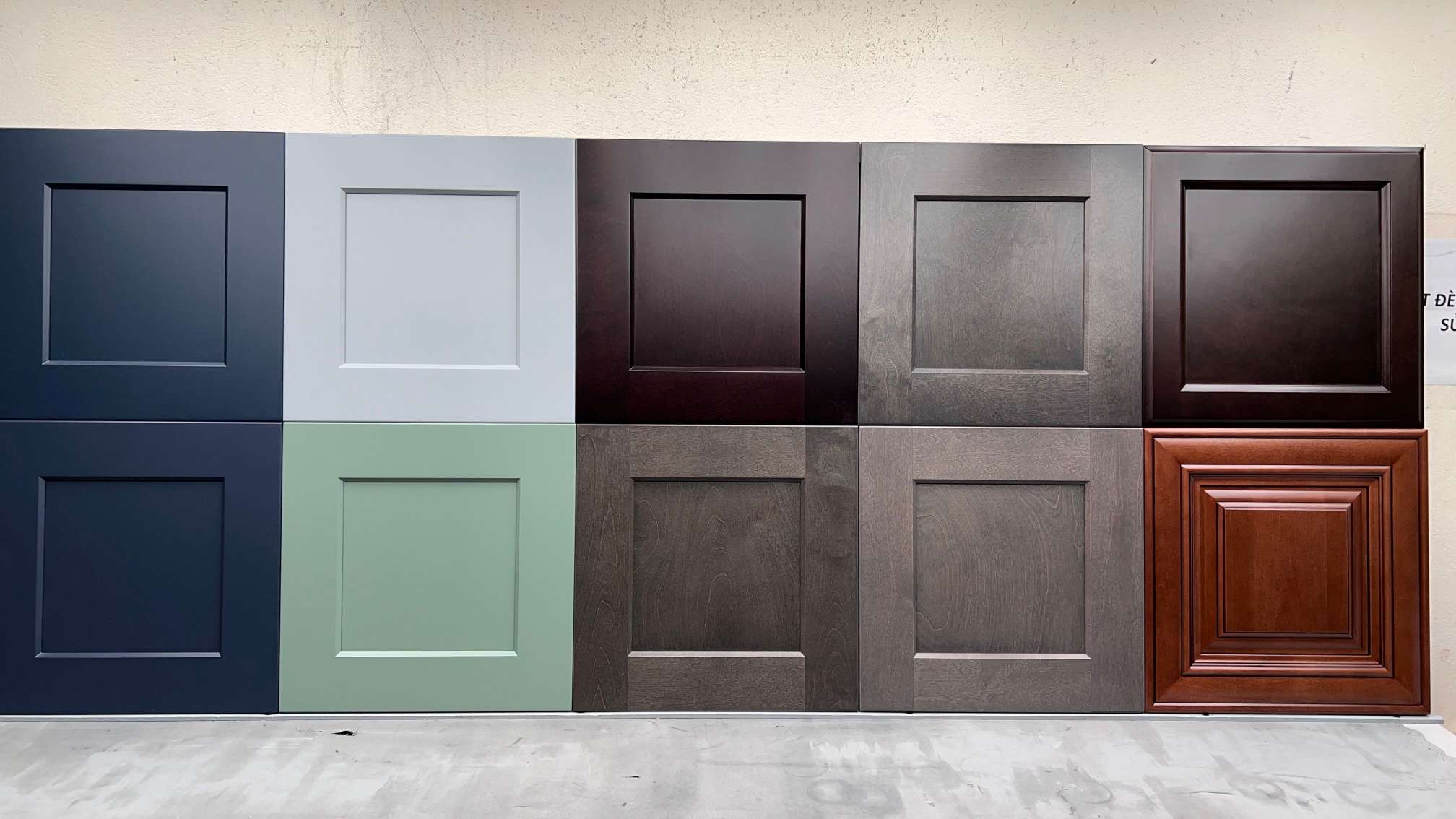
• Air Conditioning Myths Debunking 12 Common Misconceptions

    About the functions and usage of air conditioners, many of us have a few misconceptions. Those misconceptions may influence the operating efficiency, performance, and even our health. Following are 12 common air conditioning misconceptions with their solutions.


    1. The lower the set temperature, the faster the cooling speed.

  • Is an Inverter Floor Standing AC Worth the Extra Cost?

    Standing air conditioner inverter is normally more expensive than non-inverter ones; whether it is worth purchasing depends on your demands and places. Let's analyze it from several aspects and see if this investment is worth doing.


    1. Why is inverter floor standing air conditioner more expensive than normal ones?

    Well, the key difference between inverter and non-inverter air conditioners is the working method of the compressor.

    • Inverter AC: By adjusting the rotating speed of the compressor, it could control temperature precisely, reducing energy consumption.
    • Non-inverter AC: The compressor has only two modes, on and off, which leads to high starting power, large temperature fluctuation, and high energy consumption.

    Floor standing air conditioners have high power consumption themselves. With inverter technology, the price will be absolutely higher, but the advantages it brings are obvious.


    2. Whether it is worth buying an inverter floor standing air conditioner, we can check from the following points.

    Suggested crowd and scenario

    • Large spaces: Living rooms, conference offices, and stores. Floor standing air conditioners are suitable for large areas, and with inverter technology, it could improve the comfort and the energy-saving effect.
    • Long-time usage: Homes and offices that use air conditioners all day long. Inverter air conditioners could save more energy when operating for a long time.
    • People who pursue comfort: They request air conditioners with stable temperature and low noise, avoiding sudden cold and heat.


    Unsuitable crowd and scenario

    • Small space: Rooms within 10 ㎡. Floor standing air conditioner is to big to place in such a small area, which may lead to a waste of resources.
    • Short-time usage: Use it for 1-2 hours per day only. Under such condition, the advantage of inverter energy saving is not obvious, and the payback is slow.
    • Tighten budget: If we have a limited budget, then a non-inverter AC with smart socket would also save some energy.


    Free standing AC


    3. Key comparisons between inverter and non-inverter floor standing air conditioners.

    Items Inverter standing air conditioner Non-inverter standing air conditioner
    Price Expensive. Cheap.
    Energy consumption Saving electricity, long-term usage will be cost-effective. Consuming more power, making it suitable for short-term usage.
    Comfort Constant temperature, low noise. Large temperature fluctuation, loud noise.
    Lifespan Longer lifespan compressor. Frequent start-up affects the compressor lifespan.
    Maintenance More complex technology, higher maintenance costs. Easy maintenance, low cost.


    If we use the air conditioner frequently and with a large room, then we choose inverter type. If we need it cheaper and use it seldom, then we'd better choose the non-inverter type.


    4. Floor standing air conditioner with inverter can save energy; will it truly bring payback to us?

    Let's take 3 horse power inverter and non-inverter floor standing air conditioners as an example:

    • Power consumption (8 h/day): inverter ac 1.8 kW on average.
    • Power consumption (8 h/day): non-inverter ac 2.5 kW on average.

    During a summer (90 days on average), it saves 63 kW (2.5*90-1.8*90) of electricity. Then we can calculate how much the money it saves in a summer. After several years, the saved costs could cover the additional money that we had paid on the inverter air conditioner.

    If we truly use the air conditioner often, then the inverter type can definitely pay back and save more money.


    5. Purchasing tips on inverter floor standing air conditioners.

    • Focus on "Full DC Inverter". Compressor, fan, and motors—all parts are inverter, and the energy saving effect will be much better.
    • Focus on "Energy Efficiency Label". Class I is the most effective.
    • Focus on "Brand and After-sales". Famous brands from the USA, Japan, Korea, China, etc.
    • Focus on “Additional Features".  Dehumidification, air purification, smart WIFI control, etc.


    6. Should we buy it?

    So, if we use air conditioners very often (longer time and larger space), an inverter floor mounted air conditioner is worth purchasing, which is energy-saving and comfortable.

    But if we use it for a short time at home and our budget is limited, then a normal non-inverter air conditioner is also considerable. It costs less. However, in a long period, the electricity bill will be higher.

  • One-Stop OEM/ODM Services How to Meet the Demands of Major Brand Manufacturers

    In today’s competitive water filtration market, brands and retailers need customized solutions that balance quality, speed, and affordability. As a Top 3 water filter factory in China, we specialize in one-stop OEM/ODM services tailored for B2B traders, OEM partners, and large retailers. Here’s how we meet the demands of premium brands and help you stand out in the market.

    1. End-to-End Customization for Brand Differentiation
    ▷Design to Delivery: From concept to mass production, we handle product design, material sourcing, and certification compliance (NSF, FDA, CE).
    ▷Patented Technologies: Leverage our 50+ patents to create differentiated products like water dispensers or Refrigerator Water Filters.
    ▷ White-Label & Private Label: Add your branding seamlessly while we ensure IP protection and confidentiality.

    2. Quality Assurance & Compliance
    ▷NSF-Certified Production: Our NSF 53/401-certified filters remove lead, microplastics, and emerging contaminants.
    ▷Rigorous Testing: Every batch undergoes 100+ pressure cycles and microbial resistance tests.
    ▷ Gobal Standards: Meet EPA, ISO 9001, CE, TUV, WRAS and RoHS requirements for cross-border sales.

    3. Speed-to-Market Advantage
    ▷Fast Turnaround: Launch products in 60 days with our 1.2M-unit/month capacity and backup production lines.
    ▷Peak Season Priority: Guaranteed 15-day delivery even during high-demand periods.
    ▷ Bulk Order Support: Small-Batch trials for refrigerator water filters, coffee machine water filters, or RV water systems with lower risk.

    4. Cost-Effective Solutions for Retailers
    ▷ Factory-Direct Pricing: Save 10%+ vs. traditional suppliers.
    ▷ Packaging Customization: Choose plain white boxes, custom labels, or eco-friendly materials.
    ▷ Logistics Optimization: Leverage our partnerships with Walmart supply chains for seamless distribution.

    Why Choose Us?
    ▷ Decade of Expertise: Trusted by Walmart & North American retailers.
    ▷ Global Reach: With export experience in markets like North America, Europe, Japan, and the Middle East, we are well-positioned to serve international clients.
    ▷ Risk-Free Trial: Test free samples before bulk orders.

    Ready to create your next bestseller? Contact us today for a custom quote or visit our website to explore OEM/ODM solutions.

  • RO Systems vs. Countertop Water Purifiers A Strategic Guide for B2B Buyers

    Meeting Global Demand with Advanced Water Filtration Solutions


    The Rising Tide of Water Purification Demand

    With growing concerns over water safety, sustainability, and consumer health awareness, the global water purifier market is projected to reach $75.6 billion by 2030 (Grand View Research). As a B2B partner sourcing for trade, OEM/ODM production, or retail distribution, understanding the technical and commercial strengths of Reverse Osmosis (RO) Systems and Countertop Water Purifiers is critical to capturing this lucrative opportunity.


    1. Market Trends Driving B2B Opportunities

    · Health-Conscious Consumers: 72% of households prioritize water purity over cost (WHO).

    · Sustainability Focus: Low-waste and energy-efficient designs are now a purchasing criterion.

    · Smart Home Integration: IoT-enabled devices dominate premium markets (North America, Europe).

    · Emerging Markets: Asia-Pacific and Africa demand affordable, high-performance solutions.

    For distributors and brands, aligning with reliable manufacturers offering scalable, customizable, and compliant products is key to success.


    2. RO Systems: Industrial-Grade Filtration for Diverse Applications

    Technical Advantages:

    · Ultra-Pure Output: Removes 99% of contaminants (heavy metals, TDS, microplastics).

    · High Capacity: Ideal for households, offices, and commercial facilities (e.g., restaurants).

    · Customization: Modular designs support IoT integration, tankless options, and low wastewater ratios (1:1).


    B2B Value Proposition:

    · Target Markets: Regions with poor tap water quality (Middle East, Southeast Asia).

    · Profit Margins: Premium pricing justified by long-term health benefits and durability.

    · Compliance: Meets NSF/ANSI 58, CE, and RoHS standards for global distribution.


    3. Countertop Water Purifiers: Compact Solutions for Modern Lifestyles

    Technical Advantages:

    · Plug-and-Play Installation: No plumbing required; ideal for renters and small spaces.

    · Multi-Stage Filtration: Combines activated carbon, UF, and mineral retention.

    · Energy Efficiency: Zero electricity consumption (gravity-based models).


    B2B Value Proposition:

    · Target Markets: Urban consumers (Europe, North America), hospitality, and e-commerce.

    · Fast ROI: Lower upfront cost drives volume sales in retail and online channels.

    · Aesthetic Appeal: Sleek designs align with kitchen aesthetics for premium branding.


    4. Strategic Applications for B2B Partners

    Scenario

    Recommended Product

    Key Selling Points

    OEM/ODM for Brands

    Customizable RO Systems

    White-labeling, regional compliance tweaks

    Bulk Retail Distribution

    Countertop Units

    Easy shelf display, competitive pricing

    Commercial Contracts

    High-Capacity RO Systems

    Certifications, low maintenance costs


    5. Why Partner with PUREZA?

    · R&D Leadership: Patented filtration tech and Appearance design. Support vertical integration from design to assembly, with a 90-day R&D cycle from design to mass production.

    · Scalable Production: MOQ flexibility from 500 to 50,000+ units. Support for small-scale trial production.

    · Quality Assurance: ISO 9001-certified factories with 3rd-party lab testing. All kinds of certifications such as CE, FDA, TUV, RoHS are in place, meeting the water purification standards of various markets and enhancing the market access rate.

    · Logistics Support: FOB/CIF terms, fast turnaround (30-day production), only 40 kilometers away from the port.

    · Sustainability Edge: Recyclable materials, 30% lower wastewater vs. industry average.


    Position Your Brand Ahead of the Curve


    As demand surges for clean water solutions, now is the time to secure partnerships with a trusted manufacturer.

  • Exploring Popular Cabinet Door Styles

    When it comes to designing a kitchen or bathroom, the choice of cabinet door style can make all the difference in setting the tone of the space. Whether you prefer a sleek, modern aesthetic or something more traditional, there are several cabinet door styles to choose from. Three of the most popular styles are Shaker, Slim Shaker, and Raised Panel. In this blog, we’ll take a closer look at these styles and how they can complement your home’s design.


    Shaker door panel


    Shaker Style Cabinet Doors

    Shaker cabinets are one of the most enduring and versatile styles. Known for their simplicity and clean lines, Shaker doors typically feature a flat, recessed center panel with straight, square edges. The frame around the panel is usually made of wood, and the overall look is minimalistic yet timeless.

    This style originated from the Shaker community, which valued functionality and simplicity. As a result, Shaker cabinets are often associated with rustic or farmhouse designs, but they can also be used in more modern settings. The simplicity of the design makes it easy to pair with a variety of kitchen themes, from traditional to contemporary.

    Why Choose Shaker Cabinets?

    • Timeless design that works with nearly any style of décor
    • Clean, simple lines perfect for both traditional and modern kitchens
    • Easy to maintain and versatile for different finishes


    slim shaker kitchen cabinets


    Slim Shaker Style Cabinet Doors

    Slim Shaker is a modern twist on the classic Shaker style. While it retains the same basic structure, Slim Shaker doors feature a narrower frame around the central panel. This style creates a more refined and streamlined look, perfect for contemporary kitchens looking to achieve a sleek, minimalist aesthetic.

    Slim Shaker doors have gained popularity in recent years due to their fresh, modern appearance. The subtle design makes them an ideal choice for spaces with clean, geometric lines and minimal clutter. They pair beautifully with modern materials like stainless steel, quartz, and glass.

    Why Choose Slim Shaker Cabinets?

    • Modern, updated version of the classic Shaker style
    • Sleek and minimalist, perfect for contemporary kitchens
    • Works well in small spaces, where a lighter, more refined design is desired


    raised kitchen cabinets


    Raised Panel Style Cabinet Doors

    If you're looking for a more traditional or ornate cabinet style, the Raised Panel door may be the perfect choice. This style features a central panel that is raised above the surrounding frame, giving the door a more three-dimensional look. The edges of the panel are typically beveled or carved, adding depth and texture to the design.

    Raised Panel doors are commonly found in classic kitchens with elegant, traditional themes. They bring a sense of sophistication and richness to the space. The raised, detailed design works well with wood finishes like cherry, oak, or walnut, but can also be paired with painted finishes for a more contemporary take on this timeless look.

    Why Choose Raised Panel Cabinets?

    • Adds elegance and depth to traditional kitchens
    • Works well with a variety of wood types and finishes
    • Great for homeowners looking for a more intricate, decorative design


    stain kitchen cabinets


    Final Thoughts

    When choosing the right cabinet door style for your kitchen or bathroom, consider both aesthetics and functionality. Shaker and Slim Shaker offer clean, simple lines that work well in modern and transitional spaces, while Raised Panel brings a touch of classic elegance to more traditional kitchens. Whatever your design preference, each of these styles has its own unique charm and can help create the perfect atmosphere in your home.

    Whether you're remodeling or building from scratch, understanding the different cabinet door styles available will ensure you make a well-informed decision. Choose the style that best suits your taste, and enjoy a space that reflects your personal style for years to come!


  • ETOP HR-02 Wireless 8 Zones Wiring Centre

    ETOP HR-02 Wireless 8 Zones Wiring Centre stands out due to its advanced features and flexibility, making it an excellent choice for managing room heating systems, particularly with heat pumps and underfloor heating. Here are some key features.

    ETOP HR-02 Wireless 8 Zones Wiring Centre

    1. Wireless Communication with Zone Slave Thermostats

    HR-02 RF wiring centre allows for a completely wireless setup, reducing the complexity for installation. It can communicate with zone slave thermostat without the need for extensive wiring, which simplifies the installation process and enhances aesthetic appeal by minimizing visible cable.


    2. Multi-Zone Control

    The wiring centre can manage up to 8 zones and 16 zones, providing independent temperature control across different zones of a building. The zoning capability is essential for optimizing comfort and energy efficiency, as it allows users to heat only the spaces that are in use.


    3. Heating and Cooling Control

    HR-02-C provides Heat/Cool input to automatic switching between heating and cooling modes, making them versatile for year-round climate control.


    4. Valve Type and Delay Time Setting

    The pump and boiler delay time can set from 0~6 minute by bridge jumper as below picture.

    The actuator type can choose between NO and NC type as picture.  Please adjust accordingly to needs. 

    Thermostats

    1. WIFI Compatibility

    Some clients will ask for wifi remote control. Adding a RF gateway, users can make up a intelligent room heating system and achieve remote temperature control on APP.


    2. Installation Ease

    HR-02 wiring centre incorporated clear cable slots that help prevent mixed cables, ensuing organized wiring. In addition, DIN rail mounting helps in maintaining a clean and professional appearance in electrical cabinets.


    3. Compact Design

    With dimensions of 353.5mm x 1184.mm x 59.5mm, ETOP HR-02 wiring centre has a compact design that can be conveniently mounted near the underfloor heating manifold or in other suitable locations without taking up excessive space.

  • Introduction of Heat Pump System and E-Top Heat pump thermostat

    How heat pump works

    It is essential to understand that, for both heating and cooling, heat pumps transfer heat from one area to another. It draws heat energy from the outside air throughout colder months and moves it inside to heat your home. And to cool you off in the summer, the heat pump takes heat energy from inside your home and releases it outside. 


    The heat pump consists of an outdoor condensing unit and an indoor air handler unit as a split system. The outdoor heat pump condensing unit circulates refrigeration for heat transfer like a central air conditioning unit. Thanks to the reversing valve, a heat pump can change and reverse the refrigerant flow. This means it has two different functions: cooling your home in the summertime and heating it during the winter months!

    For heating mode, the refrigerant in the outdoor condenser absorbs the heat energy from the outdoor air. Then it is pressurized and heated in the compressor to become a vapor or a gas. After this, it is sent to the inside air handler unit. The vaporized refrigerant is transported to the indoor unit coil. The cold air from your home is blown over the coil and absorbs the heat.

     heat pump

    How Electric Element works in the heat pump system


    Inside the air handler is an electric heating element. This electric heating element  also referred to as electric resistance heating, is a supplemental heating source. Depending on the model of your heat pump, auxiliary heat and emergency heat are both functions of the electric heating element. Relying on the electric heating element to heat your home is expensive, which is why it can cause a bit of worry to creep in when the homeowner sees auxiliary heat on the thermostat.

    You need your heat pump to keep working for your house to remain warm. If your heat pump freezes, this can be a serious problem. The E-Top Heat pump thermostat perfectly support emergency heat in every system today.


    What Is Auxiliary Heat?

    It is helpful to mention: Auxiliary heat and emergency heat are both thermostat settings for activating the electric resistance heating element. However, their capabilities differ slightly based on the heat pump system model. For example, some systems only have auxiliary heat mode, while others offer an emergency heat mode. For this reason, people may refer to auxiliary heat and emergency heat interchangeably.


    The role of the auxiliary heater is to work in conjunction with your heating system to keep your home warm when the outside temperature is too cold for the heat pump system to be efficient on its own. The thermostat automatically activates the auxiliary heating when the desired temperature is not met by the heat pump system alone.


    After either five, ten, or twenty minutes of your thermostat not reaching the set temperature, your thermostat automatically activates the auxiliary heat. Some thermostats can be set manually, although many  come pre-programmed for when to turn on the auxiliary heat. The auxiliary heat will only shut off once the thermostat has reached its set temperature.


    If auxiliary heat stays on for an extended period of time, this is usually a sign that there is something wrong with your heating system.


  • Roles of Room Thermostat in Carbon Neutrality

    Nowadays, Carbon neutrality is an important topic all over the world. Many countries have proposed carbon neutrality targets. Thermostats contribute to carbon neutrality by saving energy and reducing greenhouse gas emissions ‌. Specifically, thermostats can significantly reduce energy consumption in both industrial and domestic applications, thereby reducing greenhouse gas emissions and advancing carbon neutrality goals.


    High accuracy PWM thermostats contribute to environmental protection by precisely controlling the temperature and reducing energy consumption. ‌ The thermostat can sense the ambient temperature and control the heating or cooling equipment according to the preset value, so as to accurately adjust the ambient temperature.


    Energy saving and emission reduction: The room thermostat avoids unnecessary energy waste by precisely controlling the running time and power of heating and cooling equipment. For example, in the hotel industry, FCU room thermostat can automatically adjust the operating status of air conditioning or heating systems according to the indoor temperature, avoiding unnecessary energy consumption, thereby reducing operating costs and greenhouse gas emissions ‌.


    Reduce greenhouse gas emission: energy conservation means that the burning of fossil fuel is reduced, which in turn reduces the emission of greenhouse gases such as CO2, which has positive significance for coping with global climate change ‌.


    Improve energy efficiency: the thermostat can flexibly adjust the temperature setting according to different time periods and actual needs, for example, in the family, the smart room thermostat can automatically adjust the temperature according to the user's living habits, reduce energy consumption ‌.


    Xiamen E-top Controls effort to create and produce variants room thermostats with better and better function in energy saving, to do our contribution in Carbon Neutrality, to protect our beautiful world.

    E-TOP smart thermostat

  • Split Air Conditioner VS. Central air conditioner, Which One is Suitable for You?

    Central air conditioner or split air conditioner, it is a common topic in home decoration. Both have their own advantages and disadvantages and are suitable for different needs and scenarios. The following is a comparison from many aspects:


    1. Room size


    Central air conditioner

    • It is applicable to large houses, villas, and commercial spaces.
    • It can cover multiple rooms and is suitable for large areas that require unified temperature control.
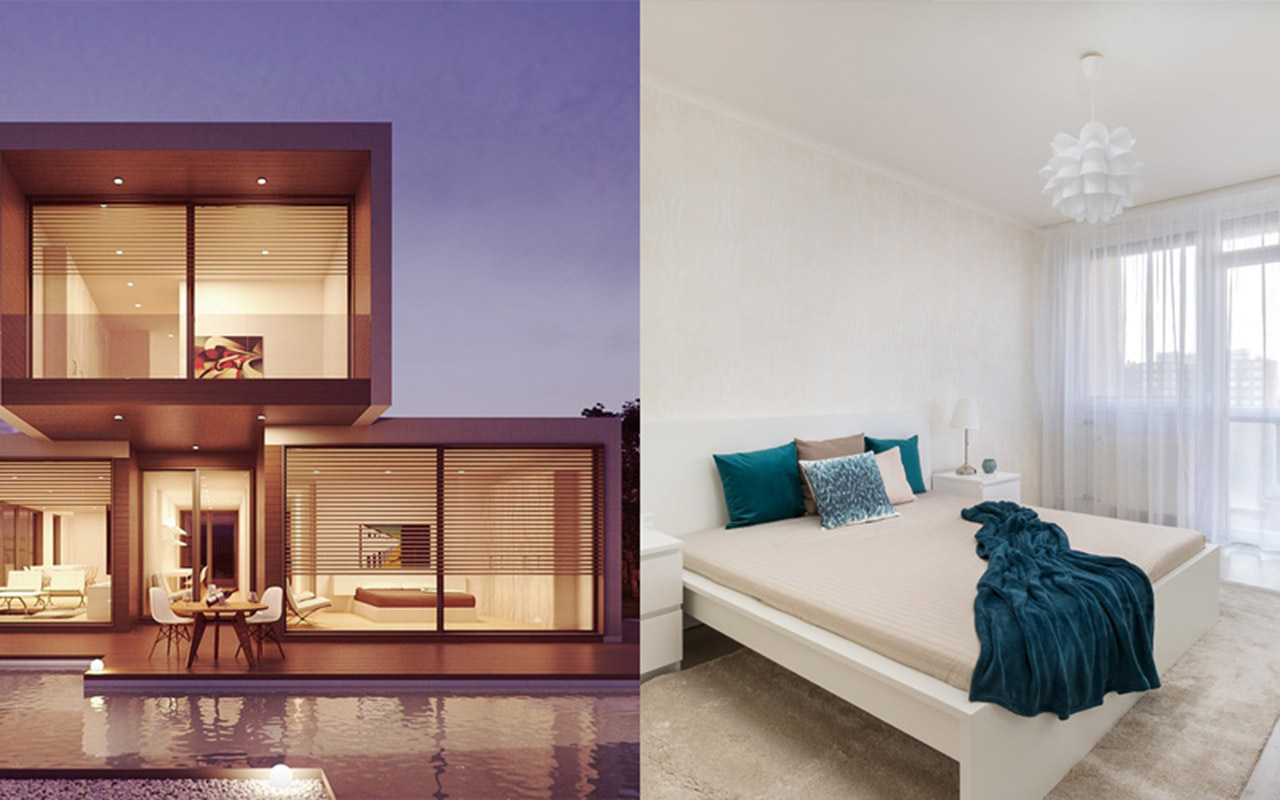
    • It is concealed for installation and suitable for families pursuing high-end decoration effects.


    Split air conditioner

    • Applicable to small and medium-sized houses, with each room installed independently.
    • Each air conditioner is controlled independently, suitable for use scenarios with personalized needs.
    • The initial installation cost is low, suitable for users with limited budgets.


    2. Cooling/Heating Capacity


    Central air conditioner

    • High power, suitable for multiple rooms at the same time.
    • Even cooling/heating, small temperature fluctuation, high comfort.


    Split air conditioner

    • Good cooling/heating effect for a single room, fast startup.
    • Suitable for single-room use, but low energy efficiency when multiple air conditioners are used at the same time.


    3. Installation and Space Requirements


    Central air conditioner

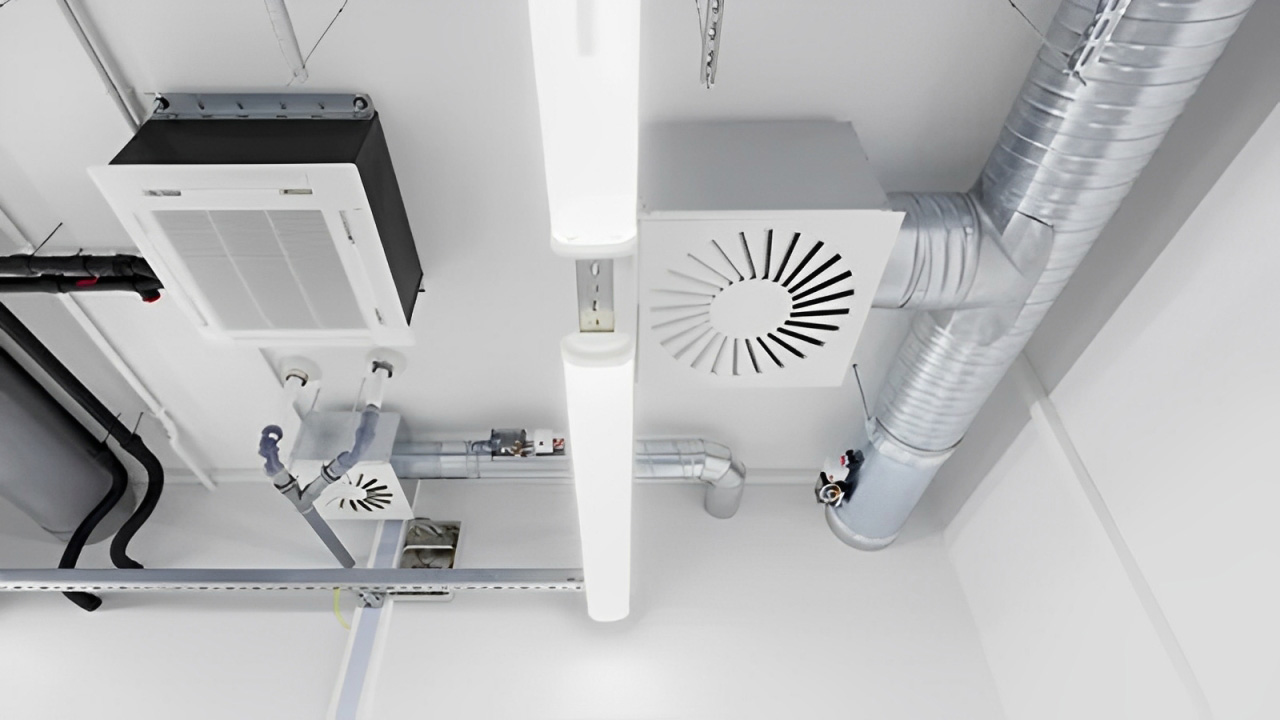
    • The installation is complex and requires advance planning in conjunction with the decoration (such as ceiling design).
    • Hidden installation, high aesthetics, but high requirements for the building height (about 25-30 cm reserved).


    Split air conditioner

    • Easy to install, each room is designed independently.
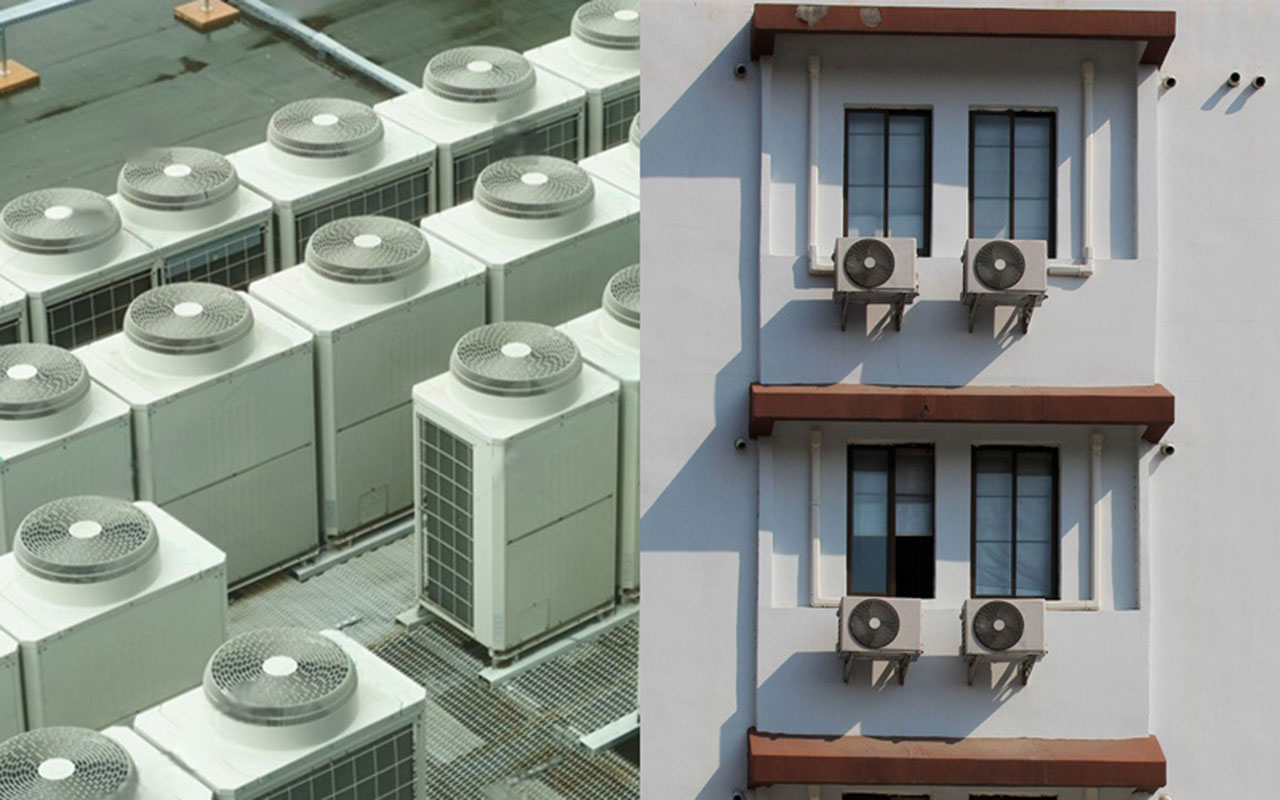
    • It does not affect the structure of the house, but multiple external units may affect the appearance of the exterior wall.


    commercial air conditioner


    4. Energy and Operation Cost


    Central air conditioner

    • High energy efficiency, especially variable frequency models, are more energy-efficient when used in multiple rooms at the same time.
    • The initial installation cost is high, but the energy consumption is economical in long-term use.


    Split air conditioner

    • The energy consumption of a single unit is low, but the overall energy efficiency is low when multiple units are running at the same time.
    • The initial installation cost is low, but the long-term operating cost is high.


    5. Appearance and decoration matching


    Central air conditioner

    • Hidden design, integrated with the overall decoration, high aesthetics.
    • Suitable for modern simple and high-end decoration styles.


    Split air conditioner

    • The appearance is visible (wall-mounted AC, floor standing AC), which may affect the overall decoration style.
    • The new model has a strong sense of design and can meet some decoration needs.


    6. Noise


    Central air conditioner

    • The main unit is placed outdoors, and the operating noise is low.
    • The indoor air supply is quiet, suitable for users who are sensitive to noise.


    Split air conditioner

    • There is noise in both indoor and outdoor units, especially in old models.
    • The quiet performance of high-end split models is gradually improving.


    7. Initial cost and maintenance


    Central air conditioner

    • The initial installation cost is high (usually 30,000-100,000¥, depending on the size of the apartment).
    • The later maintenance cost is high (such as cleaning pipes and maintaining the main unit).


    Split air conditioner

    • The initial cost of a single unit is low (about 2,000-15,000¥/unit), and the total cost depends on the number of rooms.
    • Easy to maintain, and a single unit failure does not affect the use of other rooms.


    central air conditioning


    8. Comprehensive Pros and Cons


     Type  Central air conditioner  Split air conditioner
     Pros  High power, wide cooling range, suitable for  large rooms  Affordable, space-saving, suitable for small rooms
     Cons  Large floor space, high price and energy consumption items  Limited cooling range, low power


    9. Suitable Crowd and Scenario Advice


    Central air conditioner

    • Suitable for large houses and families who focus on beautiful decoration and comfort.
    • Suitable for scenarios where multiple rooms and multiple users are used at the same time, such as villas, offices, etc.


    Split air conditioner

    • Suitable for users in small houses or single rooms.
    • Suitable for scenarios with limited budget or short-term use, such as renting a house.


    10. Suggestions

    • If the budget is sufficient and the decoration effect is high, choose a central air conditioner.
    • If you pursue economy and practicality and the house area is not large, choose a split air conditioner.
    • The choice between the two mainly depends on the house area, budget, decoration plan, and usage requirements.


    We are professional air conditioner manufacturer with 30+ years experience; if you have a specific room type or budget requirement, please tell us, and we can further recommend a suitable solution for you!

  • Cabinet Design Trends for 2025 Exploring the Future of Kitchens

    As we approach 2025, cabinet design continues to evolve, offering new innovations and aesthetic possibilities. Whether it's the increasing demand for functionality, a shift toward sustainability, or the integration of cutting-edge technology, the cabinets of the future will meet the needs of modern living while enhancing the overall kitchen experience. If you're planning a kitchen renovation or selecting cabinets for your next project, understanding these trends will help guide your decisions.


    1. Smart Cabinets: The Fusion of Technology and the Kitchen


    With the rise of smart homes, kitchen cabinets will increasingly incorporate technology. By 2025, expect to see more intelligent features integrated into cabinetry, such as automatic door openings, built-in lighting, temperature-controlled storage, and motion sensors. For instance, cabinets could open automatically when you approach, or adjust internal settings based on humidity or temperature, ensuring optimal conditions for your food storage.


    2. Modular & Customized Designs: Tailored to Your Space


    Modular and customized cabinet designs will dominate the kitchen landscape in 2025. Every kitchen is different, and modular systems allow for greater flexibility and adaptability to specific needs. Expect more options for personalized cabinets, from adjustable shelves to specialized drawers and even custom door finishes. These designs not only maximize storage but also cater to unique tastes, ensuring your cabinets reflect your personality and lifestyle.


    kitchen cabinets trends


    3. Eco-Friendly Materials: Prioritizing Sustainability and Health


    As sustainability becomes an ever-growing concern, 2025 will see a surge in eco-conscious cabinet materials. Consumers will continue to seek out natural, non-toxic materials such as bamboo, reclaimed wood, and low-VOC (volatile organic compound) finishes to minimize environmental impact and improve indoor air quality. Green manufacturing practices, energy-efficient processes, and an emphasis on durability will also become increasingly important in cabinet production.


    4. Modern Minimalism: Clean, Efficient, and Stylish


    Minimalism will continue to reign supreme in kitchen cabinet design for 2025. With its emphasis on sleek lines, clutter-free aesthetics, and efficient functionality, minimalist design not only looks stylish but also enhances practicality. Handle-less doors, hidden drawers, and concealed storage options will contribute to the clean and streamlined look that is expected to dominate modern kitchens. This style’s timeless simplicity, combined with high-quality finishes, ensures both beauty and functionality.


    home kitchen cabinets


    5. Natural Elements: Bringing Warmth to the Kitchen


    To balance the sleekness of modern design, natural elements will play a significant role in future kitchen cabinets. The use of wood—especially natural woods or wood-like textures—will become even more prevalent in 2025. These materials bring warmth and comfort to the kitchen, creating a cozy, inviting atmosphere. Expect to see colors like warm beige, earthy browns, and rich wood tones taking center stage, adding a sense of organic charm to modern kitchens.


    6. Innovative Storage Solutions: Maximizing Space Efficiency


    Maximizing storage space has always been a challenge in kitchen design, and in 2025, new and innovative storage solutions will make organization easier than ever. Think hidden compartments, pull-out shelves, custom drawer dividers, and rotating pantry units—all designed to optimize space and keep your kitchen looking tidy. Additionally, integrated appliances like built-in dishwashers or under-counter wine racks will help keep countertops clear and reduce clutter.


    green kitchen cabinets


    7. Multi-Functional Cabinets: One Cabinet, Multiple Uses


    In smaller kitchens or open-plan spaces, multifunctional cabinets will become a key design element. For example, kitchen islands that double as prep stations, breakfast bars, or even workspaces are expected to rise in popularity. Cabinets with built-in appliances, such as pull-out cutting boards or compact trash sorting systems, will also be in demand, offering increased functionality in a compact form. 


    8. Bold Color Trends: Vibrant Hues and Classic Neutrals


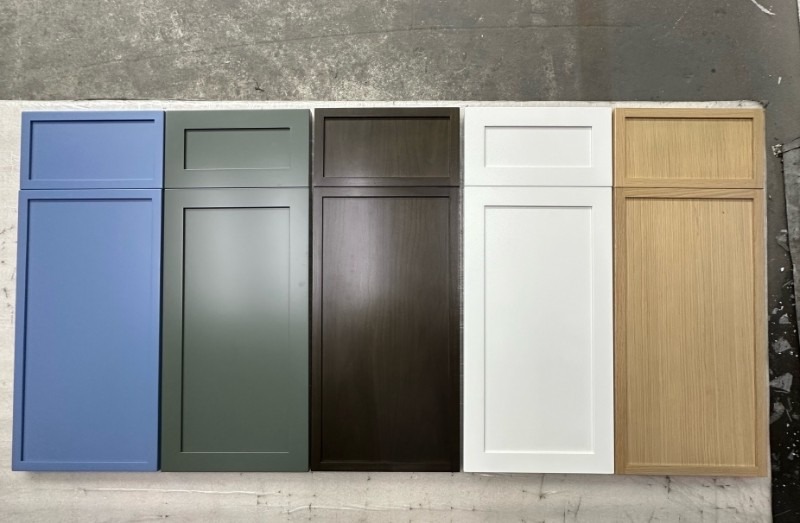
    While neutral tones have been a staple in kitchen design for years, 2025 will bring more color into the fold. Expect to see vibrant colors like deep green, jewel-toned blues, and warm mustard yellows appearing in cabinetry, adding personality and energy to kitchens. Contrasting color schemes, such as mixing dark tones with light neutrals, will create visual interest and depth. These bold color choices will add an extra layer of individuality and creativity to the kitchen.


    wooden kitchen cabinets


    Conclusion


    As we look ahead to 2025, kitchen cabinets will evolve to become smarter, more sustainable, and more customizable. Whether it’s through the integration of technology, the use of eco-friendly materials, or the rise of modular designs, the cabinets of the future will meet the changing demands of both functionality and aesthetics. At the same time, trends like minimalism and natural elements will continue to shape the way we approach kitchen design.

    When selecting cabinets for your kitchen, consider your space’s needs, lifestyle, and personal preferences. By staying on top of these trends, you can create a kitchen that not only meets the demands of modern life but also remains stylish and functional for years to come.