Warehouse racking is more than a steel structure used to store pallets. It is a load-bearing system that must be designed around stored goods, forklift operations, warehouse layout, environmental conditions, and local building requirements. When planning a new warehouse or upgrading an existing storage facility, understanding the applicable racking standards is essential for making informed decisions about safety, structural performance, and long-term reliability.
Three standards frequently discussed in industrial warehouse projects are RMI standards in the United States, EN 15512 in European markets, and AS 4084 in Australia. Although they all address aspects of steel storage rack design and safety, their technical requirements, design approaches, and scopes are not identical.
For warehouse owners, project managers, distributors, and storage rack buyers, knowing what these standards cover helps ensure that the racking system is designed for the intended application rather than selected based on load capacity or price alone.
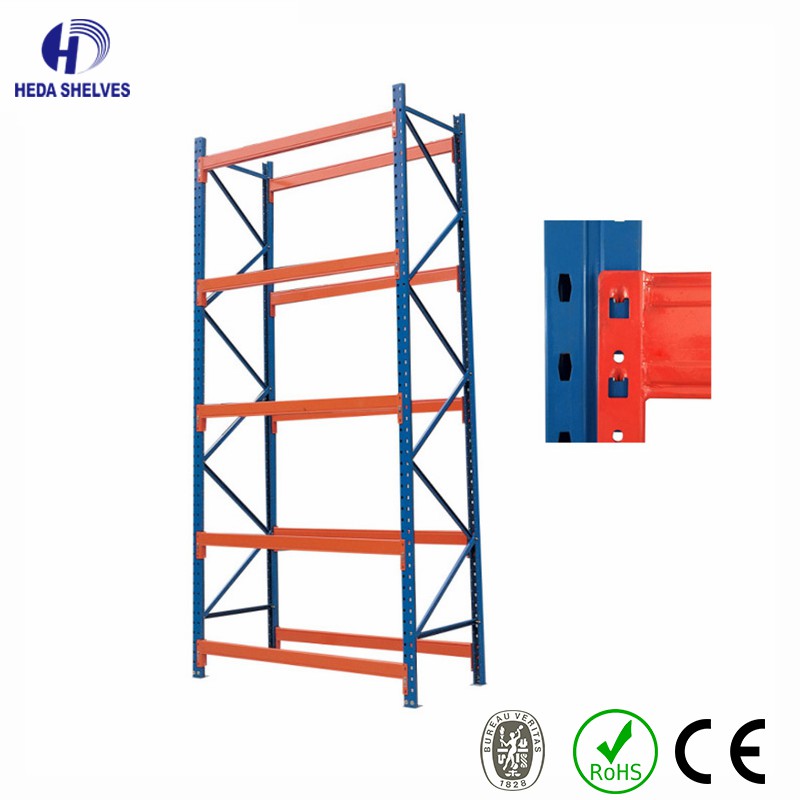
What Are Warehouse Racking Standards?
Warehouse racking standards are technical documents that establish requirements or guidance for the design, testing, installation, use, and maintenance of storage rack structures. Their purpose is to help engineers, manufacturers, installers, and warehouse operators evaluate structural safety and performance under expected operating conditions.
Depending on the applicable standard and project requirements, racking design may consider:
- Pallet and stored product loads
- Beam bending, deflection, and connection performance
- Upright frame stability and buckling resistance
- Rack configuration and structural bracing
- Wind, seismic, and other environmental loads where applicable
- Floor conditions, base plates, and anchoring requirements
- Installation tolerances and operating clearances
- Inspection, maintenance, and safe rack utilization
A warehouse rack should not be considered safe simply because the steel components appear heavy or the beams have a high stated load capacity. Structural performance depends on the complete rack configuration, including upright frames, beam connections, bracing, anchors, load distribution, and the way the system is installed and used.
For projects requiring industrial pallet storage, selective pallet racking systems are often evaluated against the project's design loads, building conditions, forklift requirements, and applicable engineering standards before the final layout is approved.
RMI Standards for Warehouse Racking in the United States
RMI stands for the Rack Manufacturers Institute, an industry organization associated with the Material Handling Industry. In the United States, ANSI/RMI MH16.1 is a key standard covering the design, testing, and utilization of industrial steel storage racks.
The standard addresses structural requirements for industrial steel storage rack systems constructed from cold-formed or hot-rolled steel members. Depending on its scope and configuration, it covers systems such as pallet racks, movable-shelf racks, rack-supported structures, push-back racks, pallet-flow racks, case-flow racks, pick modules, and certain automated storage and retrieval systems.
The current published edition is ANSI MH16.1-2023. Project teams should confirm which edition is referenced by the applicable building code and local authority requirements before beginning design.
RMI-related design considerations commonly include:
- Structural analysis and stability of the complete rack system
- Design of steel members and connections
- Beam and upright frame performance
- Rack configuration and loading conditions
- Testing requirements for certain structural components
- Rack utilization, load information, and safe operating practices
One important point for warehouse buyers is that ANSI MH16.1 does not cover every storage rack type. Certain configurations, including drive-in or drive-through racks and cantilever racks, are excluded from its scope. The applicable design approach must therefore be confirmed for the specific storage system rather than assuming MH16.1 applies to every rack.
For U.S. warehouse projects, the rack design should also be coordinated with the applicable building code, structural design requirements, seismic provisions, and local permitting process.
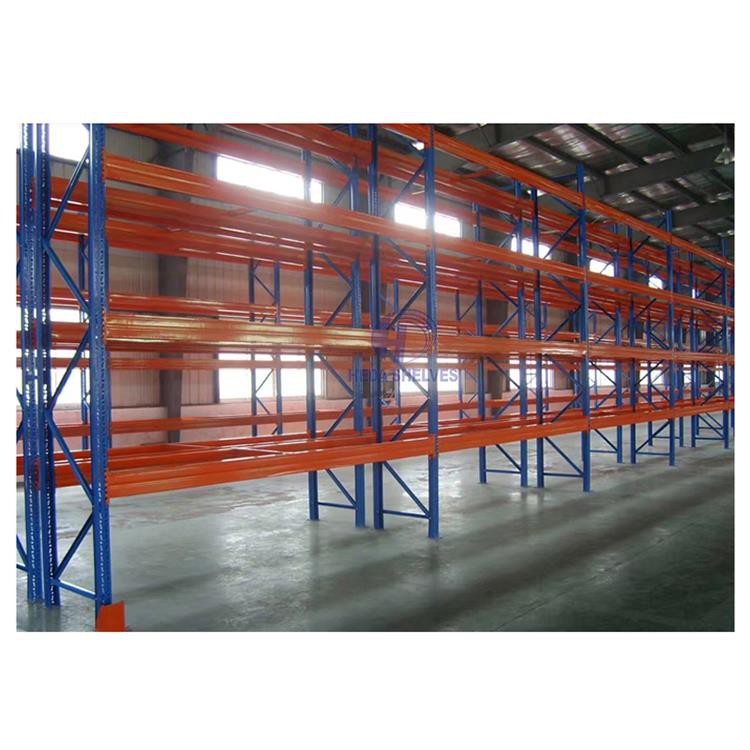
EN 15512: European Pallet Racking Design Standard
EN 15512 is a European standard titled Steel Static Storage Systems – Adjustable Pallet Racking Systems – Principles for Structural Design. It establishes structural design requirements for adjustable beam pallet racking manufactured from steel members and intended to store unit loads under predominantly static conditions.
The standard addresses both braced and unbraced adjustable pallet rack systems. It provides design principles for evaluating the structural behavior of rack frames, beams, connections, and other elements within the applicable system configuration.
The current consolidated European edition is EN 15512:2020+A1:2022. Depending on the country, it may be adopted as a national standard, such as BS EN, DIN EN, or another national implementation.
EN 15512 is commonly relevant to projects involving:
- Adjustable pallet racking systems
- Warehouse rack structures designed for static unit loads
- Braced and unbraced rack configurations
- Structural design calculations for rack components and assemblies
- Rack-supported or clad warehouse structures where applicable
However, EN 15512 does not automatically apply to every warehouse storage system. Its scope excludes several specialized systems, including mobile racks, drive-in and drive-through racks, push-back racks, shuttle systems, cantilever racks, and certain other storage structures. Seismic design requirements for adjustable pallet racking also need to be considered alongside the relevant supplementary standard, such as EN 16681, where applicable.
For European projects, buyers should ask whether the proposed rack design calculations, component specifications, installation tolerances, and project documentation align with the relevant national adoption and the requirements applicable to their warehouse.
HEDA's industrial shelving pallet racks can be configured for different pallet sizes, rack heights, beam arrangements, and load requirements. The final design should be confirmed against the relevant project specifications and local engineering requirements.
AS 4084: Steel Storage Racking Standards in Australia
AS 4084 is the Australian Standard for steel storage racking. It provides requirements related to the design, fabrication, erection tolerances, testing, operation, and maintenance of steel storage rack systems.
Warehouse projects in Australia should verify the current edition and the specific requirements applicable to the installation. AS 4084-2023 is the newer edition referenced in current Australian industry documentation, while older project specifications may still reference AS 4084-2012.
Australian warehouse racking design may also require coordination with related structural standards covering steel structures, cold-formed steel members, wind actions, earthquake actions, and building design requirements.
Typical project considerations include:
- Rack frame and beam structural capacity
- Pallet loads and rack configuration
- Fabrication and erection tolerances
- Rack installation and anchoring
- Operational loading and maintenance
- Risk assessment and inspection of installed systems
AS 4084 should not be treated as a generic approval for every storage system. Its scope and any exclusions should be reviewed against the specific rack design, particularly for specialized systems such as drive-in, cantilever, mobile, or automated storage configurations.
For Australian warehouse projects, it is advisable to work with a qualified local engineer or project consultant who can confirm the current standard, applicable building requirements, and documentation expected by the project stakeholders.
RMI vs EN 15512 vs AS 4084: Key Differences
These standards share the objective of improving the structural safety and reliability of storage rack systems, but they are developed for different regulatory and engineering environments.
| Standard | Primary Market | Main Focus | Project Consideration |
|---|---|---|---|
| ANSI/RMI MH16.1 | United States | Design, testing, and utilization of industrial steel storage racks | Coordinate with building codes, local jurisdiction, and system scope |
| EN 15512 | Europe and countries adopting EN | Structural design of adjustable beam pallet racking | Check national adoption, supplementary standards, and system exclusions |
| AS 4084 | Australia | Steel storage racking design, fabrication, erection, operation, and maintenance requirements | Verify current edition and applicable local engineering requirements |
These standards should not be considered interchangeable. A rack designed using one standard may require additional engineering assessment, documentation, or verification before it can be accepted for a project governed by another standard.
For international warehouse projects, the buyer should identify the destination market and applicable standard at the quotation stage. This allows the rack manufacturer to review the rack configuration, load requirements, drawings, and engineering documentation before production begins.
How Racking Standards Affect Load Capacity
Load capacity is one of the most important details when purchasing warehouse racking, but it is not determined by the steel thickness alone. The rated capacity of a rack depends on the complete structural arrangement and the assumptions used in its design.
For example, changing the beam length, upright height, number of storage levels, bracing arrangement, pallet weight, or frame configuration can affect the structural performance of the rack. Even if the same components are used, a different layout may require a new capacity assessment.
Warehouse managers should distinguish between:
- Beam capacity: The load a beam pair or beam level is designed to support under specified conditions.
- Upright frame capacity: The load capacity of the vertical frame based on its height, configuration, bracing, and structural conditions.
- Bay capacity: The total permitted load within a rack bay or configuration, subject to design assumptions.
- System capacity: The capacity of the complete rack arrangement considering all relevant components, connections, stability, and loading conditions.
Warehouse operators should never increase pallet weights or change beam elevations based only on assumptions. If the rack layout is modified, the original design information should be reviewed by the rack manufacturer or a qualified rack engineer.
HEDA provides customized industrial warehouse racking solutions for different storage environments and load requirements. Rack dimensions, beam levels, steel specifications, and configuration can be reviewed based on the project information provided by the customer.
Why Rack Installation and Inspection Matter
Even a rack system that has been properly designed can become unsafe if it is installed incorrectly, overloaded, damaged, or modified without engineering approval.
Installation quality is particularly important for tall pallet racking systems, where upright alignment, anchoring, bracing, beam locking devices, floor conditions, and aisle clearances can influence system performance.
Warehouse operators should establish routine inspection procedures covering:
- Visible damage to upright frames and beams
- Missing or damaged beam safety locks
- Loose, missing, or damaged anchors
- Bent or damaged bracing components
- Incorrect pallet placement or overhanging loads
- Changes to rack configuration or beam levels
- Rack load signs and operating instructions
Any significant damage should be assessed promptly. Damaged components should not simply be straightened or repaired without an appropriate assessment, as repair methods and replacement requirements depend on the rack design and applicable guidance.
For warehouse operators, safety is not achieved by selecting a standard at the beginning of a project and then ignoring it. The rack must continue to be used, inspected, and maintained in accordance with the design assumptions and operating requirements.
What Should Buyers Ask a Warehouse Racking Manufacturer?
Before placing an order for warehouse racking, buyers should request technical information that helps confirm whether the proposed system is suitable for the intended project.
- Which design standard or engineering method will be used for this project?
- Are the rack dimensions and pallet loads clearly defined?
- Can the manufacturer provide rack layout drawings and technical specifications?
- Are beam, upright, and bay capacities documented for the proposed configuration?
- Are the rack components and connections suitable for the intended loading conditions?
- What installation guidance and inspection information will be provided?
- Does the project require additional local engineering review or approval?
- Can the manufacturer customize the system for the warehouse layout and operating equipment?
These questions help buyers compare suppliers based on engineering capability and project support, not just price per pallet position.
HEDA Shelves has been manufacturing and supplying warehouse storage racks since 2001, offering pallet racking, industrial shelving, drive-in racks, shuttle racks, cantilever racks, and customized warehouse storage solutions. For projects with specific structural or regulatory requirements, customers should provide the destination country, rack layout, pallet loads, and relevant project specifications so the proposed system can be reviewed appropriately.
To discuss your warehouse storage project, visit HEDA Shelves and request a customized racking proposal based on your storage needs and project requirements.
Frequently Asked Questions
What is the difference between RMI, EN 15512, and AS 4084?
RMI ANSI MH16.1 is primarily associated with industrial steel storage rack design, testing, and utilization in the United States. EN 15512 covers structural design principles for adjustable beam pallet racking in European markets. AS 4084 is Australia's steel storage racking standard, addressing design and related fabrication, erection, operation, and maintenance requirements. Their scopes and requirements are different, so they are not automatically interchangeable.
Which warehouse racking standard should I use?
The applicable standard depends on the warehouse location, local building regulations, project specifications, rack type, and engineering requirements. A U.S. project may reference ANSI/RMI requirements, a European project may use EN 15512 and related standards, and an Australian project may require AS 4084. Always confirm the requirements with the project engineer or local authority.
Does EN 15512 apply to all warehouse racking systems?
No. EN 15512 is focused on adjustable beam pallet racking systems under predominantly static loading conditions. It excludes several specialized systems, including drive-in, drive-through, mobile, push-back, shuttle, and cantilever racks. Other applicable design standards or engineering methods may be needed for these systems.
Is RMI certification required for every warehouse rack?
Requirements depend on the project location, applicable building code, rack type, and project specifications. ANSI/RMI standards are important references for industrial steel storage rack design in the United States, but buyers should confirm whether specific certification, engineering calculations, or approvals are required for their installation.
Does AS 4084 apply to warehouse pallet racks in Australia?
AS 4084 is a key Australian standard for steel storage racking. The applicable edition and scope should be verified for the project. Warehouse owners should also check related structural standards, building requirements, installation specifications, and engineering approvals as applicable.
What information is needed to design a compliant warehouse racking system?
Typical project information includes warehouse dimensions, clear height, pallet size, pallet weight, rack layout, number of storage levels, forklift type, operating aisle widths, floor conditions, seismic or wind requirements where applicable, and the destination market's design standard.
Can a warehouse rack be modified after installation?
Rack modifications such as changing beam levels, adding storage levels, replacing components, or increasing pallet loads may affect structural capacity. Changes should be reviewed by the original rack manufacturer or a qualified rack engineer before implementation.