• Is a camp bed better than an airbed?

    camping cot and mattress


    When it comes to choosing between a camp bed and an airbed for outdoor adventures or temporary sleeping arrangements, there's no one-size-fits-all answer. Both options have their own set of advantages and disadvantages, and the better choice largely depends on individual preferences, needs, and the specific circumstances of use.


    Camp beds, also known as folding cots, are a classic choice. One of their major strengths lies in their sturdy construction. Typically made of a metal frame with a fabric or canvas sleeping surface, camp beds offer excellent support. This firm foundation can be a godsend for those with back problems, as it helps maintain proper spinal alignment during sleep. Additionally, camp beds are raised off the ground, providing insulation from the cold surface and keeping you away from bugs, dirt, and moisture. Their simple design also means they are generally more durable and less prone to punctures or leaks compared to airbeds.

    On the flip side, camp beds can be relatively bulky and heavy. This makes them less ideal for backpacking trips where every ounce counts. They also take up more space when stored, which might be a concern if you have limited storage at home or in your vehicle.

    Airbeds, on the other hand, are celebrated for their portability. When deflated, they can be rolled up into a compact size, making them easy to carry in a backpack or fit into a small storage space. This makes them a popular option for campers who need to travel light or have limited room for gear. Airbeds also offer a degree of customizable comfort. You can adjust the firmness by adding or releasing air, allowing you to find the perfect level of support for your body.

    However, camping mattress are not without their drawbacks. They are susceptible to punctures, which can render them useless if you're far from a repair kit or a replacement. Maintaining the right level of firmness throughout the night can also be a challenge, as air tends to escape slowly over time, leading to a sagging bed. Moreover, airbeds don't provide the same level of insulation from the cold ground as camp beds, which could make for a chilly night's sleep in cooler weather.

    Whether a camp bed is better than an airbed depends on what matters most to you. If durability, support, and insulation are your top priorities, a camp bed is likely the way to go. But if portability and customizable comfort are what you're after, an airbed might be the better option.


  • Dual-channel Programmable Timer

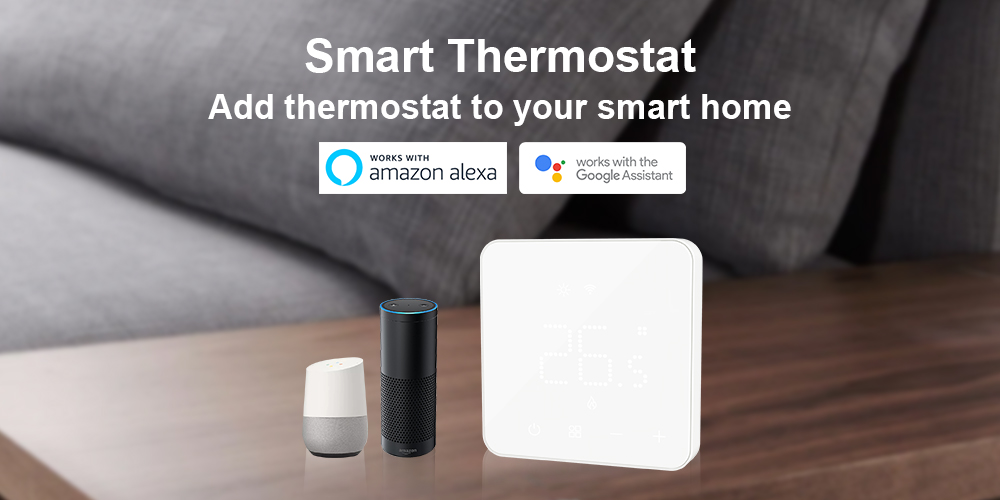
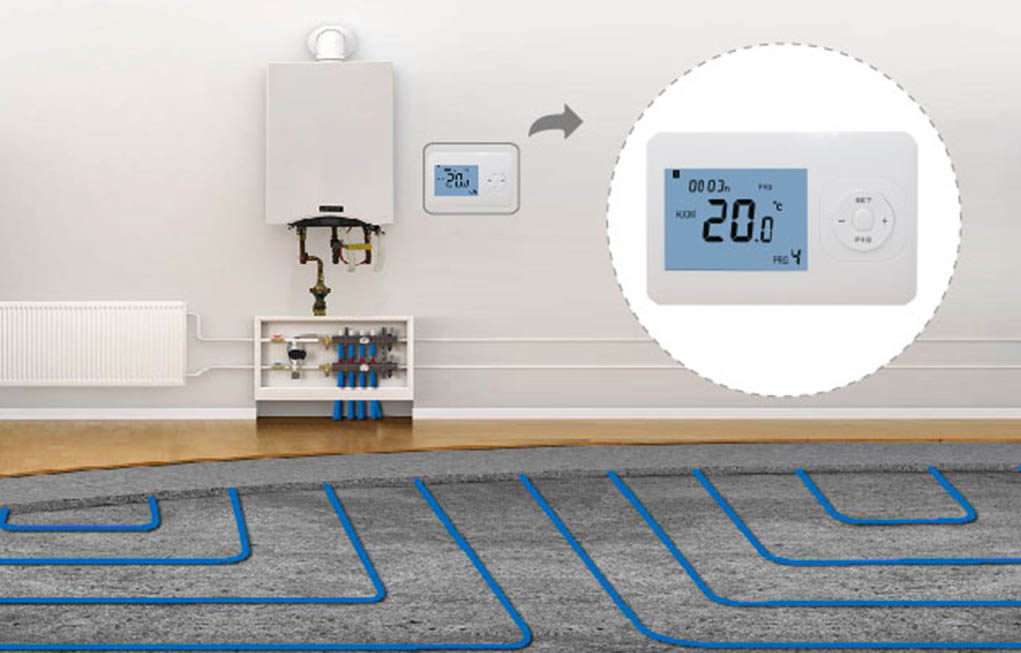
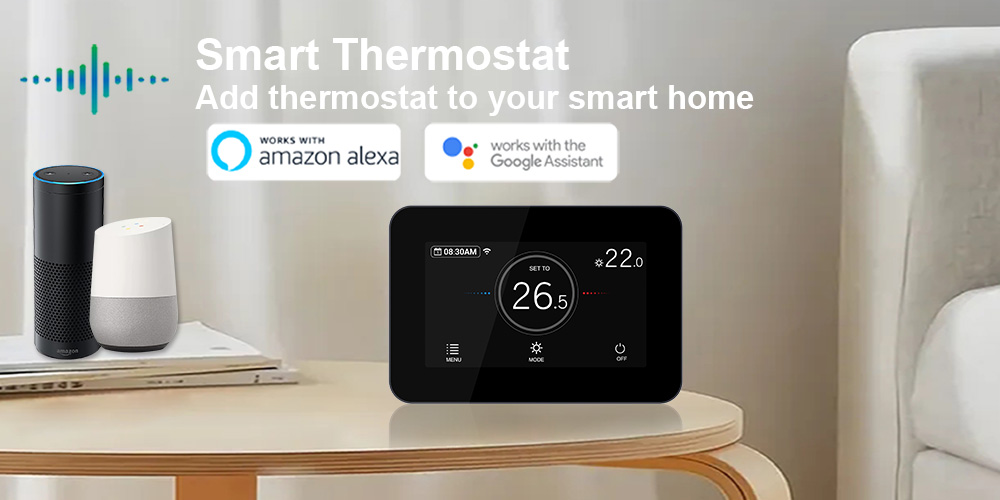
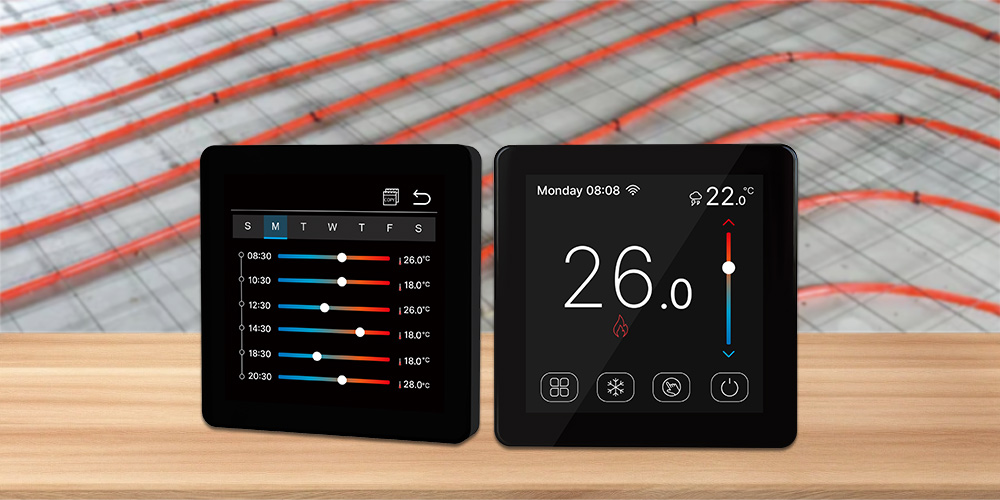
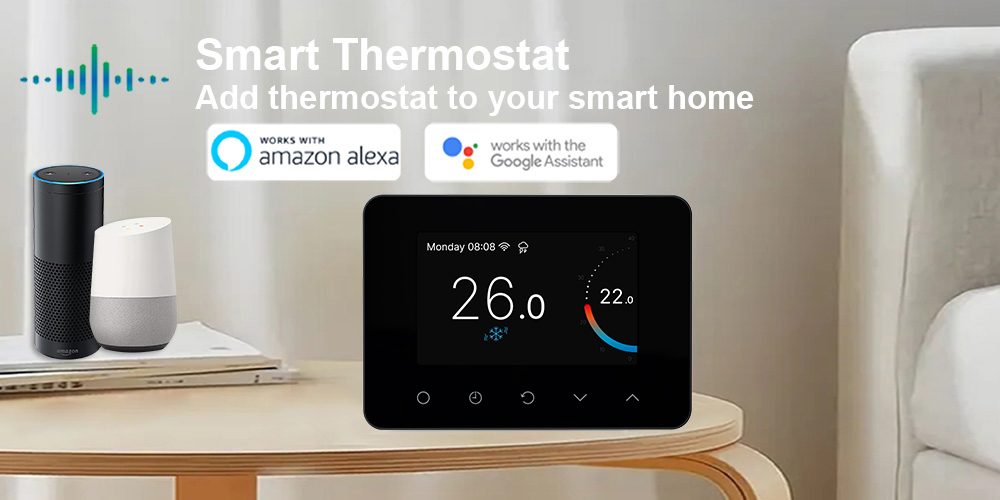
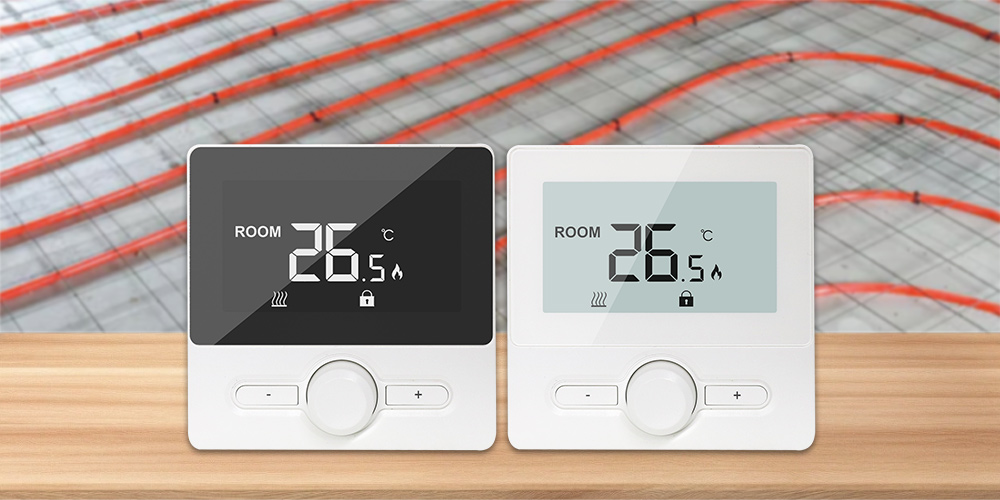
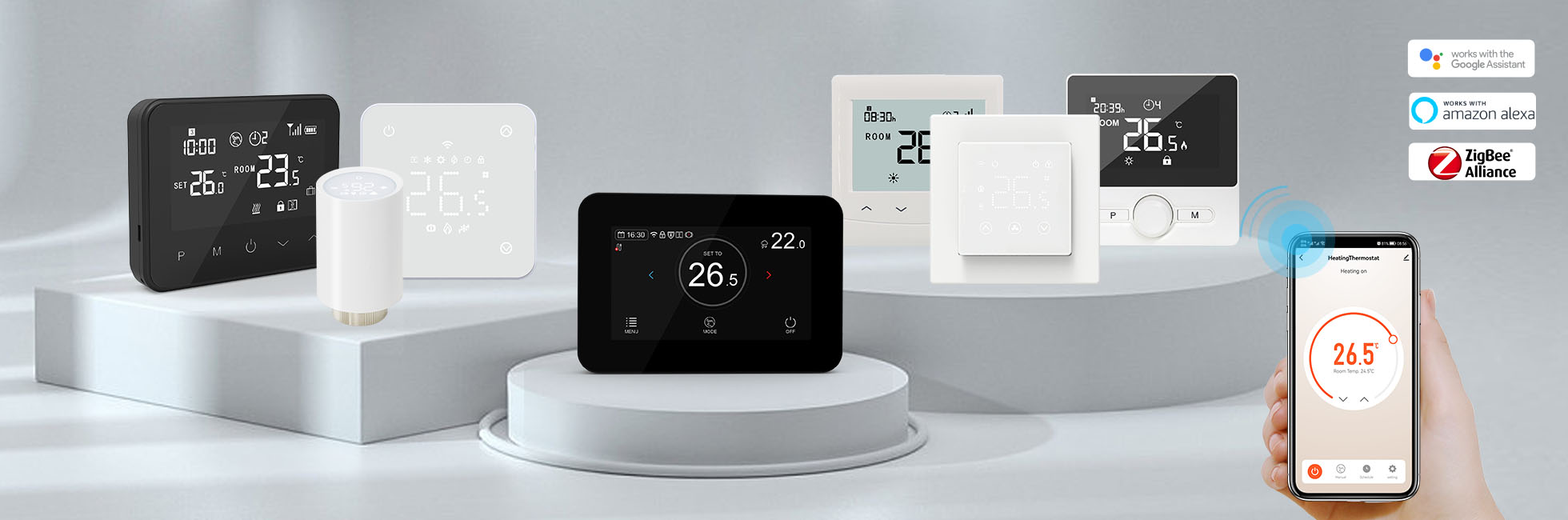
    At E-TOP we provide an extensive selection of products to help you lower your energy use and reduce bills. Our range includes programmable room thermostats including the WiFi enabled thermostat controlled via your smart device or Alexa , to familiar dial room thermostats and wireless RF-controlled room thermostats.

    In addition, we also provide development solutions for control systems related to temperature or heating control

    For example, our new product HT-70 can be made into a multi-channel timed heating controller

     twin channel programmer for domestic & heating and hot water systems.

    The HT-70 is a twin channel programmer for domestic & heating and hot water systems.

    Features:

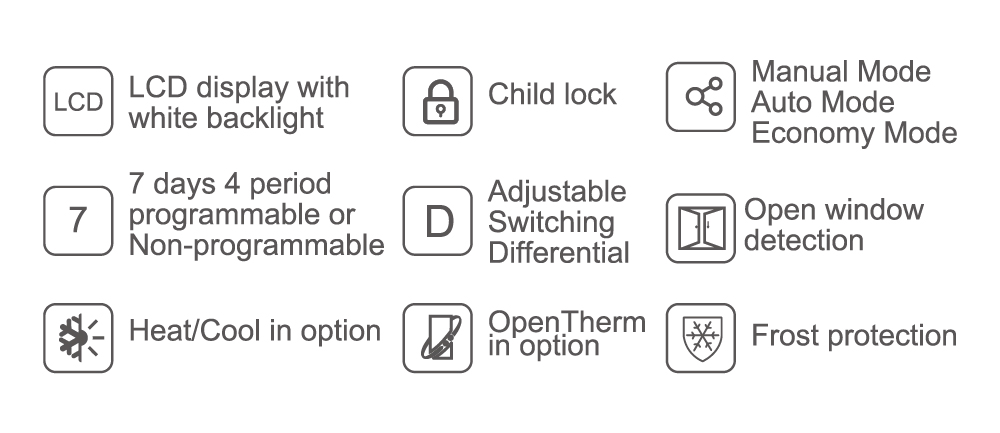
    ●Two zone control,heating or hot water

    ●Large,easy to read LCD with white back light

    ●7 day,5/2 or 1 day operation offering full control over your heating& hot water needs

    ●Automatic summer time change

    ●Advance mode for increased comfort levels

    ●Easy to use and quick to install

    ●Use as a standard time clock

    ●1-9 hour boost setting

    ●Holiday Mode

    ●Advance function

    ●Frost Protection function

    ●Hot water system (PSG) and full pump control system (PSP) use different control methods


    Product Description

    A quick to install, reliable and simple to use twin channel programmer which offers the user full control over their heating & hot water to regulate energy use & help lower costs.

  • Best Zigbee temperature control solution the art of temperature management in smart homes

    In the era of smart homes, the intelligence and stability of temperature control systems directly affect the quality of life. Today, we deeply analyze a set of Zigbee temperature control combinations that subvert traditions for you - Zigbee gateway and Zigbee thermostatic valve. They redefine the new standard of smart home temperature control with extreme compatibility, precise control and minimalist installation design.

    Zigbee temperature control


    Zigbee gateway: the "invisible commander" of smart homes


    As the core hub of the entire system, this Zigbee gateway subverts the bulky impression of traditional hub devices with its "small size and big energy":

    Wireless freedom, plug and play

    Using the Zigbee 3.0 protocol, it can be seamlessly connected to the router without complex wiring, and the signal coverage is stable. The Type-C USB cable power supply design is matched with the European standard adapter, which is compatible with the EU 220V voltage standard. Whether it is a living room, study or corridor, it can be placed next to the router to build a smart home network.

    Minimalist aesthetics, invisible integration into the home

    The round and compact body is only 8cm in diameter, with matte material and minimalist line design, which can be easily hidden in the corners of bookshelves and TV cabinets, and completely bid farewell to the abrupt feeling brought by the "sense of technology".

    Open ecology, unlimited expansion

    Supporting mainstream smart home platforms (such as Home Assistant, Xiaomi Mijia, etc.), it is not only the hub of the temperature control system, but also can link lighting, security and other equipment to create a smart scene for the whole house.


    Zigbee thermostatic valve: "micro-engineer" for precise temperature control


    As a terminal execution device, this thermostatic valve empowers home scenes with industrial-grade control logic:

    16-way concurrency, exclusive solution for large apartments

    A single gateway supports up to 16 thermostatic valves online at the same time, and through Zigbee Mesh self-organizing network technology, stable control across floors and multiple rooms is achieved. Whether it is a single-family villa or a duplex apartment, it can be grouped and managed through the APP to customize personalized temperature control strategies.

    PID algorithm + stepper motor, temperature error ≤ 1℃

    Built-in high-precision NTC temperature sensor, combined with PID closed-loop control algorithm, real-time adjustment of the stepper motor opening and closing angle, completely bid farewell to the "overshoot oscillation" of traditional temperature control valves. Whether it is a floor heating manifold or a radiator, it can achieve precise temperature control like central air conditioning.

    LED interactive screen + universal adapter, installation threshold 0

    The top LED screen TRV displays the current temperature and working mode in real time, and the easy touch buttons. The accessory package comes with Danfoss, Honeywell, Oventrop and other mainstream brand valve adapters, covering more than 90% of European standard interfaces, and can be adapted to the original pipeline without additional modification.


    Why is this the "best Zigbee thermostat"?


    Stability overrides everything

    Zigbee low-power mesh network has strong anti-interference ability. Even when the router is disconnected from the network, the localized control strategy can still guarantee the basic temperature control function, completely bid farewell to "cloud dependence".

    Open ecosystem, worry-free future

    Compared with private protocol devices, Zigbee standard protocol ensures that devices can be used across brands and platforms, avoiding being "locked" in a single brand ecosystem.

    The golden balance of cost and performance

    The distributed architecture of single gateway + multiple thermostatic valves not only avoids the high cost of the central host, but also reduces the cost of cloud services through localized computing, making long-term use more economical.


    Applicable scenarios


    Refurbishment of fine-decorated houses: no need to remove walls and wire, and quickly deploy temperature control for the whole house in 2 hours.

    Multi-bedroom families: set independent temperature curves for the elderly room and children's room through APP.

    Users with energy-saving needs: PID algorithm reduces energy waste by more than 20%, saving the cost of an air conditioner during the floor heating season.


    Conclusion


    When the "invisible brain" of the Zigbee gateway meets the "precise execution" of the thermostatic valve, this combination not only redefines the convenience and reliability of smart home temperature control, but also reserves unlimited possibilities for future upgrades with an open ecosystem. For users who pursue stability, intelligence and cost-effectiveness, this may be the ultimate answer to "the best Zigbee thermostat".


  • KNX Thermostat with temperature, humidity, motion and CO2 sensors

    With the global transformation of more intelligent and more efficient building systems, KNX thermostats are becoming the core intelligent equipment for indoor climate control.


    As a key component of the BMS management system, KNX temperature control can precisely and flexibly regulate building environmental parameters, significantly improving space comfort, air quality and energy use efficiency.


    Through RS485/Modbus/Bacnet etc. communication protocol,BMS KNX thermostat can be connected with lighting, security, heating and air conditioning etc. intelligent equipment, building a unified control platform.This integration enables centralized control, allows for the automation of climate settings across multiple rooms or areas, and provides detailed monitoring and analytics to optimize energy efficiency and occupant comfort throughout the building.


    Below is ETOP KNX thermostat for building automation.

    KNX thermostats

  • What Is a Temperature Controller with a Humidity Sensor?

    |

    A temperature controller is a device that automatically regulates temperature by switching heating or cooling devices on or off. When paired with a humidity sensor, the controller also monitors and manages the moisture levels in the air. This dual-functionality allows for more precise and adaptive climate control based on real-time environmental data.

    The new product promoted by E-TOP Controls, HT-65, which is a temperature controller with the ability to read humidity

    temperature controller

    For anyone looking to enhance indoor climate control, a temperature controller with a humidity sensor is an excellent investment. By integrating temperature and humidity monitoring into a smart device, it is both convenient and accurate. Moreover, HT-65 is a WiFi thermostat that can read humidity values and adjust temperature from the app. 

  • Wireless WIFI Thermostat for Room Heating

    When selecting a wireless wifi thermostat for room heating, the goal is to find a solution that offers reliable wireless RF communication (868mhz/433mhz), smart home remote control, programmable scheduling, easy installation and energy saving features. Etop offers a complete range of smart room thermostat receiver to match various heating setups,making it easy to upgrade any home with smarter heating control.


    1. R03 socket receiver and R08 wireless receiver for electric heating

    For electric heating solutions such as infrared heaters, ETOP offers the R03 and R08 receivers.

    * R03 Socket Receiver: This plug-in receiver is designed for maximum compatibility with various plug types, including DE, EU, US, FR, UK, and IT standards. Its plug-and-play design makes it ideal for quick and flexible installations without any wiring work.

    * R08 Receiver: If you prefer a hidden installation, the R08 is a compact-size receiver that fits neatly inside a wall installation box. It offers a clean, professional look while delivering stable RF wireless control.


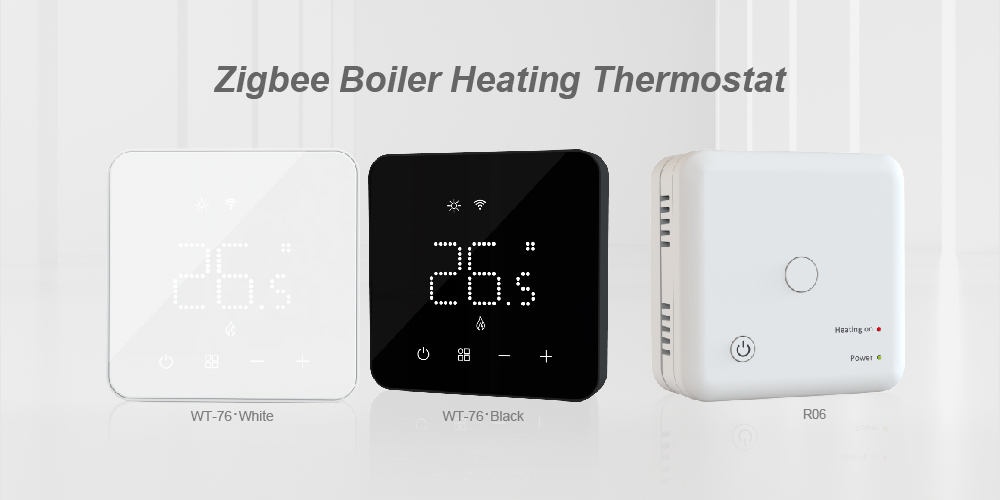
    2. R06 and R07 voltage free receiver for boiler heating and water heating

    For those who use boilers or water heating systems, ETOP offers the R06 and R07 dry contact receivers.

    * These receivers provide ON/OFF boiler relay control, modulating boiler control, and OpenTherm boiler control, making them suitable for modern condensing boilers and heat pump heat cool system.

    * Their flexible control options ensure optimal performance and energy savings, adapting to the demands of your heating system.


    3. R09 dual zone control receiver

    Managing complex heating systems has never been easier with the R09 dual zone control receiver.

    * The R09 allows you to control underfloor water heating and domestic hot water (DHW) simultaneously.

    * It is the perfect choice for homes that require multi-zone temperature management, offering maximum comfort and efficiency.


    Wireless Receiver Compatible with all Wireless  Transmitter

  • R32 Vs R410A Refrigerant Comparison In All Aspects

    As the global concerns about climate change and environmental preservation are rising nowadays, the air conditioning industry is actively searching for more environmentally friendly and more effective cooling solutions. In which the option of refrigerant becomes the key factor to measure the air conditioning ability in environmental friendliness. Currently, R32 and R410A are two widely used refrigerants in the market. So what are the differences between them? Which one is better? Here we will have a comprehensive introduction.


    I. What is R410A and R32

    Refrigerant type Chemical Name

    GWP (Global Warming Potential)

    Flammability Common Uses
    R410A R32, R125 mixture 2088 Non-flammable Home/commercial air conditioners
    R32 Difluoromethane (CH₂F₂) 675 Slightly flammable (A2L) New generation of environmentally friendly air conditioning refrigerants

    II. Comparison of environmental performance


    1. GWP: R32 is more environmentally friendly.


    GWP (Global Warming Potential) is a key data point to measure the impact of greenhouse gas on the global climate change. R410A has a GWP of 2088, while R32 has only 675, roughly 1/3 of R410A. It means when the gas leakage is the same weight, R32 impacts less than R410A on climate change.


    2. Ozone damage potential (ODP)


    Both two types of gas are in the same 0 ODP, which will not harm the ozone layer. But due to the high GWP of R410, it is less competitive than R32 in overall environmental friendliness.


    III. Energy-efficiency comparison


    R32 has better thermodynamic performance with less mass required in each unit of cooling capacity. So it will provide a higher efficiency in air compressing and energy utilization. The data shows, under the same conditions, the EER of R32 air conditioners is 10% higher than those with R410A.


    IV. Operation safety comparison.


    R410A is a non-flammable gas, which can be much safer when using; R32 belongs to the A2L class, which is slightly flammable. Well, it does not mean R32 is not safe. It is absolutely reliable with reasonable designs and regulated operations. It is the fact that many countries and regions include R32 in the standard of air conditioning refrigerants.


    Notice: Proper installations, ventilation designs, and refrigerant management are key points of ensuring the safety of R32.


    V. Market trend and policy orientation


    A number of international organizations and countries are now pushing the elimination of high GWP refrigerants. For example:

    • UN F-Gas Law: It steadily limits the use of high-GWP refrigerants.
    • Japan and Australia: They are widely pursuing R32 as an alternative to R410A;
    • China: Some mainstream AC manufacturers had already chosen R32 as the main gas equipped in the exporting models.

    Under such a trend, picking R32 air conditioning products is not only suitable for the environmental protection trend but also more capable of market competition.


    VI. Why is R32 the mainstream in the future?

    Comparative dimensions R410A R32
    GWP value High (2088) Low (675)
    Energy efficiency Normal High
    Flammability Non-flammable Slightly flammable (A2L)
    Cost Stable Slightly higher (but decreasing)
    Policy trends Phasing out Widely recommended and adopted


    It needs more security management during the transportation and use of R32 refrigerant, but the comprehensive advantages in environmental protection, energy efficiency, and market trends make it the future direction of air conditioning refrigerant.


    As a manufacturer, dealer, or consumer, acknowledging the performance and trend of refrigerants is of vital importance to making wise decisions. R32 is not only a refrigerant innovation but also a vital step towards a green future.

    If you are interested in R32 air conditioning solutions, welcome to contact the KRG air conditioning team. We can provide professional, environmentally friendly air conditioners for exports, supporting your business in the global market trend.

  • Why do colored bottles easily fade?

    I. Prolonged exposure to sunlight

    One of the main reasons colored bottles fade is prolonged exposure to sunlight. UV rays break down the color pigments or coatings used on the surface of the bottle, causing them to dull or discolor. This is especially true for spray-painted or frosted bottles with lighter shades.Colored bottles stored in high heat or direct light are more likely to experience color changes. Stacking or rubbing during shipping can also cause scratches and color loss.

    II. Use of poor-quality paints by suppliers

    Many manufacturers use low-grade coatings or processes to reduce production costs, but this method will cause the products to fade. Poor-quality materials cannot withstand high temperatures, humidity or friction during transportation.

    custom glass bottle printing

    III. Deficiencies in materials and processes

    1.Uneven pigment dispersion: Insufficient mixing of the masterbatch leads to color differences.When the melting point difference between the masterbatch and the substrate glass is greater than 30℃, it will cause uneven dispersion.Over time, this may cause the exterior color to fade or appear cloudy.

    2.Poor coating adhesion: Insufficient UV curing energy or improper substrate treatment, and no acid washing of the bottle before spraying, resulting in dust and other attachments adhering to the bottle body.

    3.Migratory fading: Small molecule dyes penetrate into the contents. For instance, acidic contents erode the inner wall of the bottle, dissolving the surface coating, which can cause the metallic glass bottle to turn white. For instance, ethanol-like contents and sodium-calcium glass bottles are not suitable for long-term storage.Long-term storage will cause sodium ions in sodium-calcium glass to be dissolved by ethanol over time, affecting the stability of its contents.


    At Panyue Packing, we offer:

    UV-resistant color glass bottles

    Custom printing with high durability

    OEM/ODM services for skincare brands worldwide

    Contact us today to get samples or customize your next cosmetic bottle collection.

  • What is the best material for a picnic blanket?

    Selecting the right picnic blanket material is crucial for balancing comfort, durability, and practicality in outdoor settings. From sandy beaches to damp grassy fields, the ideal material must address key challenges like moisture resistance, ease of cleaning, and portability. After evaluating mainstream options, three materials emerge as top contenders: Oxford cloth, PVC-coated composites, and multi-layered fabric designs.


    Oxford Cloth: The Durability Champion
    Oxford cloth, particularly 600D nylon-based variants, dominates the market for its robust construction. Its high-density weave resists tears and abrasions, making it suitable for rough terrains. Brands like NatureHike and Mobi Garden utilize this material in their products, combining Oxford cloth with PVC or aluminum film backings to enhance waterproofing. For example, the NatureHike CNK2350WS010 model features a waterproof Oxford cloth top layer paired with a moisture-blocking aluminum film base, creating a barrier against damp ground. This material’s lightweight yet resilient nature allows it to withstand frequent machine washing without deformation, a key advantage for families with children.

    PVC-Coated Composites: The Waterproof Specialist
    PVC-based blankets excel in moisture resistance. The material’s non-porous surface repels water and spills, ensuring dry seating even on wet surfaces. However, pure PVC blankets often sacrifice comfort due to their rigid texture. Innovative designs, such as the FEISTEL 200x200cm model, address this by integrating a PVC base with a softer polyester top layer. This hybrid structure maintains waterproofing while improving tactile comfort. The downside lies in PVC’s environmental impact—some formulations may contain non-eco-friendly additives. Consumers should prioritize brands like FEISTEL, which use phthalate-free PVC coatings to mitigate health concerns.

    Multi-Layered Fabric Designs: The All-Rounder
    Three-layered blankets merge Oxford cloth, padding, and waterproof membranes to create versatile solutions. The top layer, typically made of abrasion-resistant Oxford cloth, shields against dirt and UV rays. The middle layer, often filled with cotton or polyester wadding, adds cushioning. The bottom layer, commonly a PEVA or aluminum film, blocks moisture. Models like the JD.com-exclusive 200x200cm picnic blanket exemplify this approach, offering machine-washable convenience and a 1kg lightweight design. While slightly bulkier than single-layer blankets, their enhanced comfort and adaptability make them ideal for extended outdoor stays.

    Tailoring Your Choice to Usage Scenarios
    For frequent travelers prioritizing lightweight durability, Oxford cloth blankets with reinforced seams are optimal. Families seeking hassle-free cleanup should opt for PVC-hybrid models. Multi-layered designs cater to users valuing all-day comfort. Regardless of choice, consumers should verify product certifications for safety and environmental compliance. By aligning material properties with specific needs, picnickers can ensure a seamless blend of functionality and enjoyment in nature.


  • What size is a camping picnic table?

    When planning outdoor activities like camping or picnics, selecting the right-sized picnic table is crucial for comfort and functionality. The ideal size depends on the number of users, intended activities, and portability needs. Here’s a breakdown of key considerations and common dimensions:


    Camping picnic table

    1. Standard Dimensions for Different Group Sizes
    2-Person Use: Compact tables around 60×40 cm or 70×65 cm are suitable for intimate settings. These are lightweight and easy to carry, making them ideal for solo adventurers or couples.
    4-Person Use: Mid-sized tables (e.g., 90×60 cm or 95×55 cm) offer ample space for meals, games, or prep work. These are versatile for small families or groups of friends.
    Family/Group Use: Larger tables (e.g., 120×60 cm or 150×60 cm) accommodate 6–8 people comfortably. These are ideal for extended family outings or group gatherings.


    2. Height Considerations

    Most camping picnic tables range from 30–55 cm in height. Tables around 45–50 cm are standard, as they pair well with camping chairs and provide a natural dining posture. Adjustable-height models (e.g., 50–70 cm) offer flexibility for cooking, dining, or working outdoors.


    3. Material and Portability

    Lightweight Options: Aluminum or carbon steel tables (e.g., 3.3–7 kg) are popular for backpacking or day trips. Foldable designs with carry bags (e.g., 92.5×23×10 cm packed size) simplify transport.
    Sturdy Choices: Wood or stainless steel tables (e.g., 15–42 kg) prioritize durability for heavy grills or frequent use, though they sacrifice portability.


    4. Specialty Designs

    IGT Camping Table

    IGT Modular Tables: Expandable systems (e.g., 100×57×45 cm with side panels) adapt to cooking, dining, or storage needs.
    Elevated Tables: Some models (e.g., 90×60×34/55 cm) adjust height for ergonomic comfort.


    5. Practical Tips

    Activity-Based Sizing: For meal prep, opt for wider tables (e.g., 60 cm). For card games or drinks, narrower tables (e.g., 40 cm) suffice.
    Storage: Ensure the packed size fits your vehicle or backpack.


    In summary, camping picnic tables vary widely in size and features. Prioritize group size, portability, and activity needs to find the perfect fit. Whether you’re enjoying a quiet picnic for two or hosting a lively group gathering, the right table enhances both comfort and convenience in the great outdoors.