{ food grade plastic bucket with screw lid }

  • How do you clean food grade plastic buckets?

    Food grade plastic buckets are widely used in home kitchens, food processing, and commercial storage for their durability and safety. Whether you’re working with bulk ingredients, fermenting, or storing ice cream, keeping your containers clean is essential for hygiene and food safety.
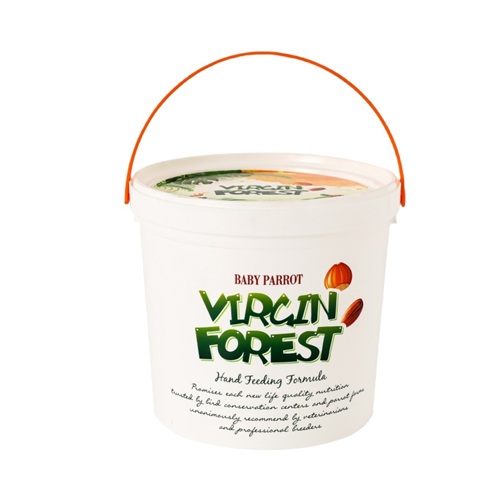
    Food grade plastic buckets are widely used in home kitchens, food processing, and commercial storage for their durability and safety. Whether you’re working with bulk ingredients, fermenting, or storing ice cream, keeping your containers clean is essential for hygiene and food safety.


    Food residue can promote bacterial growth if not thoroughly cleaned. Even if the bucket is labeled “food grade,” improper care can still lead to contamination. Regular cleaning ensures that your buckets are ready for repeated safe use.


    1. Rinse Immediately After Use
    Start by rinsing the bucket with warm water to remove any visible debris or leftover food. If you’re cleaning a 1-gallon ice cream plastic pail, be sure to remove all sticky residue, as dairy-based products tend to cling to surfaces.

    2. Wash with Mild Dish Soap
    Use a soft sponge or non-abrasive brush and mild dish soap. Scrub all interior and exterior surfaces, including the lid and handles. Pay close attention to grooves or threads, especially on a food grade plastic bucket with screw lid, as grime can build up in these areas.

    3. Soak if Necessary
    For stubborn stains or odors, soak the bucket in a mixture of warm water and white vinegar or baking soda. This is particularly helpful for buckets that have stored strong-smelling or colored foods.

    4. Rinse Thoroughly
    After washing, rinse the bucket thoroughly to remove all soap residue. Soap can affect the taste or safety of the food stored next.

    5. Air Dry
    Let the bucket air dry upside down on a clean drying rack. Ensure it’s completely dry before sealing it with a lid, especially if using a screw lid that forms an airtight seal. Store your clean buckets in a dry, cool place. Avoid stacking them if they’re not fully dry, especially if they have tightly sealing lids.


    Cleaning a food grade plastic bucket is simple but vital for keeping your food safe. Whether you're using 1 gallon ice cream plastic pail or a food grade plastic bucket with screw lid, following these steps will help maintain cleanliness and extend the life of your containers.


  • What plastic buckets are food grade?

    When it comes to storing food safely, using the right type of container is essential. Food grade plastic bucket is designed specifically to store food items without leaching harmful chemicals or affecting the taste and quality of the food.

    Food grade plastic buckets are typically made from high-density polyethylene (HDPE) or polypropylene (PP). These materials are considered safe for contact with food and are resistant to moisture, chemicals, and impact. A true food grade plastic bucket will have certifications such as FDA approval or compliance with EU food safety standards. These ensure that the plastic does not contain harmful additives like BPA (bisphenol A) or phthalates.


    Types of Food Grade Plastic Buckets


    1. Standard Food Grade Plastic Bucket

    A typical food grade plastic bucket is ideal for storing dry goods such as flour, sugar, grains, and pet food. They are often available in various sizes to accommodate different storage needs.


    2. Food Grade Plastic Bucket with Screw Lid

    A food grade plastic bucket with screw lid offers added convenience and security. The screw lid creates an airtight seal, protecting the contents from moisture, pests, and contamination. This type of bucket is especially useful for fermenting food or storing liquids.


    Advantages of Using Food Grade Plastic Buckets


    Durability – HDPE and PP buckets are strong and resistant to cracking and warping.
    Reusability – High-quality food grade plastic buckets can be cleaned and reused multiple times.
    Stackable and Space-Saving – Many food grade buckets are designed to be stackable, making storage more efficient.
    Versatility – Ideal for both dry and liquid storage, including grains, sauces, and even cleaning solutions.


    How to Identify a Food Grade Plastic Bucket


    Look for the Recycling Symbol - Food grade plastic is usually marked with a recycling symbol with numbers like #2 (HDPE) or #5 (PP) at the bottom of the bucket.

    Check for Food Safe Labeling - A bucket labeled with terms like "food safe" or "food grade" is a good indicator that it’s suitable for food storage.

    Smooth Interior Finish - Food grade plastic buckets often have a smooth interior surface to prevent food particles from getting trapped and to make cleaning easier.


    Using a food grade plastic bucket ensures that your food stays safe and fresh. Whether you’re storing dry goods, liquids, or fermenting food, choosing the right plastic bucket will make a significant difference in maintaining food quality and safety.